
The missing grammar of land governance India’s land reforms have entered a decisive phase where digitisation alone cannot resolve long-standing disputes over ownership, boundaries and possession. The real challenge lies in reconciling fragmented records, maps and ground realities through a common institutional framework that makes every land transaction transparent, accurate and legally reliable By Vivek Kumar Singh India’s land problem is not a shortage of laws, records or institutions. It is the absence of a shared grammar. The cadastral map, record of rights, mutation entry, registered deed, court order and actual possession often describe the same parcel differently. Citizens encounter these contradictions as delay, fraud or litigation. Administrators encounter them as files that refuse to match the field. The next stage of land reform by making the components of the land system intelligible to one another. The questions are no longer only who owns the land, but where the parcel lies, what supports the claim, who possesses it, whether each change is reflected in both record and map, and which institution must act when the answers diverge. India’s land governance has passed through four broad phases. In the pre-colonial phase, land was tied to cultivation, sovereignty, custom and community. The colonial State made it administratively visible through surveys, settlements, cadastral maps, records of rights, registration, revenue courts, the Collector and acquisition law, principally for revenue and control. Post-Independence policy shifted towards abolition of intermediaries, tenancy reform, ceilings, consolidation, Bhoodan, tribal land protection, homestead security, settlement of public land and acquisition for planned development. The fourth phase is digitisation and integration, which aspires to connect textual records, maps, transactions, municipal databases, court orders and physical possession. These phases have accumulated rather than replaced one another. Colonial records coexist with unfinished reform mandates and new digital platforms. The contemporary land agenda therefore extends beyond title and mutation to delayed acquisition and compensation, displacement and rehabilitation, landlessness and settlement, fragmented holdings and incomplete consolidation, tenancy and customary rights, public land and commons, and urban expansion that often outruns both maps and law. The fourth phase must not be mistaken for computerisation. Its purpose is not to place old records on new screens, but to make the State’s memory of land reliable and current. After scanning, entry remains inaccurate after scanning. Without cleansing, legal validation, audit trails, interoperability and continuous updating, digitisation merely gives inherited errors new authority. This is why land problems are better understood as Land Ailments than as one undifferentiated category of disputes. A defective survey, unrecorded inheritance, fraudulent transfer, boundary mismatch, delayed compensation, insecure settlement, fragmented holding and encroachment on a common arise from different institutional failures. They require diagnosis before remedy. Triage must then determine urgency, conflict potential and the proper administrative, judicial or law-and-order response. A routine succession entry, a contested acquisition award and a communally sensitive encroachment cannot be processed through the same lens. The Record-Map-Possession Triangle The most useful field test is the Record-Map-Possession Triangle. Every serious matter should be examined through three questions: What does the record say? What does the map show? Who is in possession? When the three broadly agree, the claim is relatively stable. When they diverge, caution is essential. A record without possession may be contested or obsolete. Possession without record may be illegal, informal, customary or simply unregularised. A map without ground verification may not reflect subdivision, erosion, accretion, consolidation or urban change. The triangle is the diagnostic tool. Record-Map-Possession Convergence is the administrative objective. It means reconciling the three through lawful verification and continuous updating until the record identifies the right, the map locates the parcel and possession is either validated or addressed through due process. Digitisation can make this convergence dynamic only if it moves beyond textual updating. Where States have created de novo digital maps through aerial photography, high-resolution satellite imagery or comparable geospatial methods, the next leap should be spatial mutation alongside textual mutation. A verified change arising from transfer, succession, partition, acquisition, subdivision or consolidation should, wherever legally and technically feasible, produce a corresponding spatial update. This can bridge the historic gap between what the register records and what the map locates on the ground. It is a transition the modern State cannot afford to miss. Where AI helps — and where it can’t Artificial intelligence can assist, but only as an auditable decision-support tool. In consolidation, it can compare parcel configurations using contiguity, access, irrigation, value and possession. In acquisition, geospatial analysis can test alternative alignments and flag avoidable impacts on habitations, commons and productive land before a route hardens into a project decision. In compensation, it can identify anomalies, omitted interests and likely liabilities. But AI cannot cure defective maps, outdated valuations or incomplete records. The same clarity is needed in the debate on title. The familiar contest between “conclusive” and “presumptive” title often freezes reform in abstraction. A more usable distinction is between foundational and current title. Survey and settlement provide the foundation through the original mapping and recording of parcels and rights. Mutation-backed records provide the current administrative frame by reflecting later transfers, succession, partition, acquisition, consolidation and court orders. Mutation should neither be romanticised as final ownership nor dismissed as a meaningless fiscal entry. Civil courts remain necessary for complex title adjudication. Yet where mutation follows notice, objection, reasoned orders, appeal, revision and a digital audit trail, it represents the State’s best administrative recognition of the current lawful claim, subject to judicial correction. Treating it as irrelevant weakens land markets, citizen services and the credibility of public action. Acquisition shows why this grammar must extend beyond title. A project may have a valid notification and still falter because the alignment was poorly chosen, ownership data were outdated, valuation lacked transparency, compensation was delayed or possession was taken without completing rehabilitation and record correction. Acquisition should be managed as one chain from geospatial planning and social-impact assessment to award, payment, possession, rehabilitation and post-acquisition textual and spatial mutation. Compensation is the bridge between public purpose and procedural legitimacy. Landlessness, consolidation

Superfoods on the Sidewalk: A Guide to Foraging in Cities
Superfoods on the Sidewalk: A Guide to Foraging in Cities By Syed Saad Ahmed · September 3, 2020 My neighbourhood in Delhi, India’s capital city, offered a surprising treat during the pandemic—pavements and parking lots began to resemble a supermarket shelf bursting with greens. Perhaps, that was just another manifestation of nature “healing” during the lockdown or maybe it was the deserted streets and negligible traffic that allowed me to notice what had always been there. Most people might dismiss these plants as mere weeds, an insignificant part of the urban backdrop. But these greens are not only superfoods that would command a premium in artisanal groceries, but also delicious and versatile. Right in front of my house, a small patch has amaranth, purslane and wood sorrel, which I have used in stir-fries, salads, smoothies, pickles, soups and as a garnish. Amaranth growing along Ring Road, Delhi. Photo: Syed Saad Ahmed The spare time the lockdown offers and uncertainty about the future and food supply have spurred interest in foraging—practised by indigenous communities across the world. “I used to conduct edible weed walks before the pandemic,” Auroville-based ecologist Nina Sengupta tells VICE. “There was a lot of interest, participants were enthusiastic, but it largely remained an intellectual exercise. After the lockdown, however, people have started using the knowledge they had gathered, experimenting with recipes and seeking out new plants. I have been getting a lot of queries about what a certain plant is, whether it’s edible and how to incorporate it in meals.” In June 2020, Sengupta began a YouTube channel, Edible Weed Walk, where she posts video and audio foraging guides. While many associate foraging with the countryside, “there is remarkable biodiversity in cities too,” says activist Shruti Tharayil. “I am in a village in Kerala during the lockdown, but I started foraging when I was living in a city.” Her initiative Forgotten Greens seeks to reclaim and revive the age-old practice of foraging for wild greens and edible plants. But how does one know which weeds are edible? Sengupta has some good tips to offer: “A basic principle of foraging is that you eat what you recognise—otherwise, you could get into trouble. In traditional vegetable markets in cities, you will often find elderly women selling wild greens on the fringes or footpaths outside. They usually forage for themselves and sell the extra produce in small bunches. You can visit these to identify and taste the common edible weeds in your region before you start foraging.” The best places to forage in cities are at the edges of gardens and in vacant plots, especially after it rains. “In public parks, gardeners generally don’t use pesticides and herbicides, though it’s best to confirm that,” says Sengupta. “You should avoid eating plants growing along gutters and busy roads because some edible weeds, such as those of the Amaranthus genus, absorb heavy metals from the soil. These places, however, are excellent to observe wild greens and collect seeds.” Edible weeds growing along Ring Road, Delhi. Photo: Syed Saad Ahmed Certain edible greens can be dangerous in large quantities or for those with specific medical conditions, so research is vital. There are many resources—apps to identify plants, guides, social media accounts and even colouring books—to help the novice forager. Foraging is also an easier alternative to growing your own food. While I embraced my millennialhood and blossomed into a plant parent years ago, I am no good at cultivating edibles. My achievements include tomatoes as big as grapes and a chilli plant that tempts me with flower showers, but has produced only six fruits in two years. I gave up on those attempts once I discovered that I could have my weed and eat it too. The very qualities that make weeds a nuisance for farmers and gardeners—their profusion, persistence and adaptability to different growing conditions—are a blessing for foragers. While there is research on the impact of gardening and green spaces on mental health, no comparable studies have been done on the benefits of foraging. “In my seminars and presentations, I ask people to imagine a place where they would like to be if they had no restrictions,” says Sengupta. “The answer invariably is somewhere in nature.” For city-dwellers who might not have access to a garden or green spaces, foraging provides an opportunity to connect with nature and seasonal cycles. Personally, spotting a new patch of wild greens in my neighbourhood or coming across a plant that could potentially be edible provides an element of novelty that is hard to come by in these locked-down times. As the pandemic makes starker the impact of human activities on the environment, some emphasise how foraging has helped them adopt a more sustainable lifestyle. “My life journey has been about reclaiming autonomy,” says Tharayil. “I don’t want to be dependent solely on the market, so I try to localise and decolonise my food through foraging. It has reduced my food miles and carbon footprint.” Shruti Tharayil (left) foraging Kamana Gautam, a Hyderabad-based nutritionist, describes foraging as a “liberating” experience: “When we don’t know about the food growing around us, we think that only the greens wrapped in plastic in a market are edible,” she says. “It was liberating to know that the plants I was stepping on were more nutritious than what I was buying at stores. I see people posting about kale and other non-native greens assuming that they are healthier. But here you have organic food fresher than something imported from across the world. Besides, it’s completely free and does not use up any resources.” Purslane (bottom left), amaranth and Commelina benghalensis (bottom centre) are easy to find in Indian cities. Photo: Syed Saad Ahmed I had a similar epiphany a month ago. It began with a craving for pesto, but I could not find sweet basil. One day, I came across a bright patch of wood sorrel, seemingly untouched by the ubiquitous garnishing of chewed-up paan. As I bent down

इंद्रधनुष
हिंदी साहित्य 15 जुलाई 2026 पठन समय: 5 मिनट शिवदयाल हिंदी साहित्य एवं चिंतन सूरज की किरणें वर्षा की बूँदों पर पड़ती हैं और सात रंगों में विभक्त होकर क्षितिज पर उत्तर से दक्खिन दिशा में धनुष के रूप में तन जाती हैं। इन्द्रधनुष है तो इसका मतलब है कि कहीं जल है, तृप्ति है, कि पिपासा और तृष्णा का अंत होने वाला है। प्रतीक्षा की घड़ियाँ समाप्त हुईं, अम्बर से अमृत-बूँदें बरसने ही को हैं। फिर तो वर्षा-जल से आप्यायित धरती पर सृजन का कारोबार शुरू ही हो जाएगा। हमारे यहाँ श्रमण और साधु जो कभी नहीं रुकते-ठहरते – रमता जोगी बहता पानी – बरसात के चार महीने एक जगह ठहरकर ‘चातुर्मास’ बिताते हैं। सिर्फ अपनी सुविधा के लिए नहीं बल्कि इसलिए भी कि उनकी गतिविधियाँ इस ‘सृजन-उत्सव’ में कहीं से भी बाधक न बनें। प्रकृति और प्रतिवेश के प्रति इस एकात्मता-बोध् से चलकर आज हम यह कहाँ आ पहुँचे हैं कि ‘पर्यावरण दिवस’ और ‘पृथ्वी दिवस’ के नाम पर खुद को ही बचाने की गुहार लगा रहे हैं। इन्द्रधनुष देख मन उमगता है। मानो अंतर के सारे रंग छलककर क्षितिज पर टँग जाते हैं – सतरंगे धनुष की शक्ल में। इन्द्रधनुष जैसे दिलासा देता है कि बदरंगी में भी रंग है। यों तो जमाना रंगों का है, वह भी चटख रंगों का। सादा और उदास रंगों का जमाना गया। अंतर का रंग फीका पड़ता गया और बाहर चटख रंग फैलते गए। बाहर रंग ही रंग दिखाई देते हैं और वास्तव में हम सभी किसी न किसी प्रकार रंगों के व्यापार में ही रमे हैं। कोई लाल रंग का व्यापार कर रहा है तो कोई हरे रंग का। कोई नीले रंग का तो कोई केसरिया रंग का। जब व्यापार है तो प्रतिस्पर्धा भी है। और तब आग्रह-दुराग्रह भी हैं, और इसमें हर रंग फीका पड़ रहा है, अपनी पहचान खो रहा है। चाहे-अनचाहे हम किसी न किसी रंग के प्रति आसक्त हैं, शायद प्रतिबद्ध भी। हम उस खास रंग से पहचान पाते हैं, बल्कि स्वयं हमारा भी कोई न कोई रंग है, भले ही वह हमें पसंद न हो। जैसे हम खुद काले हों और गोरा रंग हमें पसंद हो, कालों को गोरा बनाने वाली क्रीमों से बाजार पट गए हैं। इसके विपरीत अगर हमें हरा या लाल ही सही, रंग पसंद हो तो हर कहीं उसे ही देखना चाहते है, हर चीज को उसी रंग में डुबो देना चाहते हैं। कभी-कभी हमारा आग्रह इस हद तक पहुँच जाता है कि हमें कहीं कोई और रंग दीख ही नहीं पड़ता। वैसे आँखों की एक बीमारी में कोई-कोई रंग कोई और ही रंग प्रतीत होता है, जैसे देख रहे हों लाल और दीख रहा हो केसरिया। इसे रंग-अंधता या वर्ण-अंधता कहते हैं। राजनीति में यों तो यह बीमारी आम है, लेकिन यह राजनीति का चमत्कार ही है कि कभी-कभी यही सच होता है, यानी तौर-तरीके इतने एक-से होते हैं कि रंग का भेद करना मुश्किल हो जाता है। शायद इसलिए कि सत्ता का अपना ही एक रंग होता है, उस पर कोई और रंग नहीं चढ़ता – क्या लाल, क्या हरा और क्या केसरिया। “यह उत्तर से दक्खिन तक क्षितिज पर तनी सतरंगी धन्वाकार रेखा ‘नार्थ-साउथ’ का कोई भेद नहीं मानती, बल्कि उन्हें परस्पर जोड़ती है।” हमारी रंग-संवेदना हमारी दुनिया को बनाती और बिगाड़ती है। देखें तो दुनिया रंग-संवेदना का ही कारोबार है। कवि-कलाकार से लेकर राजनेता, और धर्म के पहरूए तक इसी कारोबार में रमे हैं। अलग-अलग रंग और अलग-अलग दुकानें। सभी रंगों में अपनी पहचान ढूँढ रहे हैं, सभी रंगों से पहचाने जा रहे है। सभी रंगों की कमाई कर रहे हैं। हमारे यहाँ ‘रंग जमाने’ की कोशिशें होती हैं, ‘रंगदार’ होते हैं जो मुहल्लों-टोलों में रंगदारी टैक्स वसूलते हैं। यह उत्तर से दक्खिन तक क्षितिज पर तनी सतरंगी धन्वाकार रेखा ‘नार्थ-साउथ’ का कोई भेद नहीं मानती, बल्कि उन्हें परस्पर जोड़ती है। सबके मन के आकाश में तनता है इंद्रधनुष, चाहे वह कितना ही सूना हो, कितना ही फीका हो, या एकाकी! लेकिन इंद्रधनुष है तो उसमें सात रंग हैं। वह छह, पाँच या कम, बल्कि आठ रंगों का भी नहीं हो सकता। कोई गूढ़ बात है, रहस्य जीवन का। इंद्रधनुष के सात रंग, जैसे सात सुर, जैसे सात समुद्र, जैसे सात जन्म…! सात घोड़े सूरज के! सप्ताह के दिन भी सात ही। हमारा लोक-मन भी कितना रंगीला है। वह रंगों का उत्सव-पर्व मनाता है। कृष्ण की रास-लीला भी तो रंग-लीला ही है। वह गोपियों के संग रास ही नहीं रचाते, होली भी खेलते हैं। गुरु-दर्शन से आह्लादित हजरत अमीर खुसरो कह उठते हैं – आज रंग है! राजस्थान की मरूभूमि पर भी चुनरियों के छींटदार रंग छिटके पड़े हैं। वास्तव में हमारे लोक जीवन में ही रंगों को देखने की एक ‘दृष्टि’ है। इसमें किसी एक रंग के प्रति आग्रह नहीं दिखता, बल्कि मन अपने ‘इष्ट’ के रंग में ही रंग जाना चाहता है और यह जीवन की चरम उपलब्धि है। वह ‘इष्ट’ चाहे फिर देवता हो या मनुष्य। वहाँ हर रंग अलग-अलग कारणों से अलग-अलग संदर्भों में समादृत है। क्योंकि यह दुनिया एक रंग की नहीं बनी, नहीं बनाई जा सकती। यह दुनिया रंग-बिरंगी है और बनी रहेगी। हर रंग दूसरे रंग के होने से ही पहचान पाता है, अर्थ पाता है। रंगों की कैसी विस्तीर्ण और अद्भुत छटा बन सकती है, इसका प्रमाण स्वयं हमारा भारतीय समाज है। इंद्रधनुष अपने आप में एक मूल्य है। यह चातक की पिपासा को स्वाति की बूँद का आश्वासन है। इंद्रधनुष में सृजन के रंग समाहित हैं। इसके सात रंग परस्पर मिलकर असंख्य रंग-वर्णों की सृष्टि करते है, जबकि सात रंग वास्तव में निखरी हुई उजली धूप के सात टुकड़े हैं। इंद्रधनुष धूप के टुकड़ों से ही तो बनता है। सातों रंग मिलकर धूप बन जाते हैं जिसकी ऊष्मा और आँच से जगत का कार्य-व्यापार चल रहा है, जिसके आलोक से हमारी दुनिया प्रभासित हो रही है। इंद्रधनुष सृष्टि की बाहों का घेरा है – व्यष्टि से लेकर समष्टि तक को अपने में समेट लेने को आतुर! लेखक परिचय शिवदयाल sheodayallekhan@gmail.com 9835263930
MGNREGA Is Gone: What VB-G RAM G Means for Bihar’s Rural Workforce
POLICY SNAPSHOT Sector: Rural Development and Employment Theme: Transition from MGNREGA to VB-G RAM G Why It Matters: The repeal of MGNREGA and its replacement by VB-G RAM G is the most significant change to India’s rural employment architecture in two decades, with outsized consequences for a state as dependent on rural wage work as Bihar. Key Policy Question: Can panchayat-level institutions deliver a convergence-based planning model with their existing administrative capacity? NBRF Position: Build Programme Officer and Gram Rozgar Sevak capacity before scaling saturation-based planning statewide. Reading Time: 7 min read ARTICLE BRIEF On 1 July, MGNREGA was repealed and replaced nationwide by VB-G RAM G, raising the guaranteed employment period from 100 to 125 days and shifting rural development toward a convergence-based, panchayat-level planning model. This piece argues that Bihar’s central challenge will not be the new law’s design but whether thinly staffed Gram Panchayats can absorb both an expanded mandate and a large new tranche of Finance Commission funds. KEY NUMBERS 125 Days New employment guarantee 100 Days Previous guarantee under MGNREGA ₹51,923 Cr 16th FC Panchayati Raj package 20+ Yrs Age of the repealed MGNREGA “Success will ultimately be measured not by the design of the programme, but by the experience of the worker who arrives at the Gram Panchayat seeking employment.” DID YOU KNOW? Existing MGNREGA job cards remain valid under VB-G RAM G, and workers cannot be denied employment solely because their e-KYC verification is pending. RURAL DEVELOPMENT MGNREGA Is Gone: What VB-G RAM G Means for Bihar’s Rural Workforce BY SHASHANK SHRIVASTAVA 1 July 2026 marks one of the most consequential shifts in India’s rural development architecture since the enactment of the Mahatma Gandhi National Rural Employment Guarantee Act (MGNREGA) two decades ago. The legislation has now been repealed and replaced nationwide by the Viksit Bharat – Guarantee for Rozgar and Ajeevika Mission (Gramin), or VB-G RAM G. For Bihar – a state where rural livelihoods remain deeply intertwined with public employment programmes – this is far more than a change in nomenclature. It represents a fundamental redesign of the country’s flagship rural employment framework, altering the statutory guarantee, institutional architecture, and planning philosophy simultaneously. The most visible reform is the expansion of the statutory employment guarantee from 100 to 125 days per financial year. For millions of rural households, particularly those vulnerable to seasonal unemployment, the additional twenty-five days could provide an important cushion against income volatility. Yet the more profound transformation lies beneath the headline numbers. Unlike MGNREGA, which functioned primarily as a standalone wage-employment programme, VB-G RAM G adopts a convergence-based model of rural development. Rather than implementing schemes independently, Gram Panchayats are expected to integrate employment generation with housing, infrastructure, livelihoods, natural resource management, and other development programmes through a saturation approach that seeks to ensure eligible households receive the full range of government benefits. In principle, this marks a shift from administering individual schemes to planning rural development holistically at the local level. However, the greatest challenge is unlikely to be legislative design. It will be administrative execution. The success of VB-G RAM G depends on institutions that are expected to coordinate multiple departments, prepare integrated village development plans, monitor implementation, maintain transparency, and respond to citizen demands. These responsibilities now fall largely on Gram Panchayats, Programme Officers, and Gram Rozgar Sevaks – many of whom are already operating with limited manpower, inadequate technical support, and significant administrative workloads. This creates a fundamental implementation risk. A convergence-based model presumes that local governments possess the institutional capacity to coordinate across schemes and departments. In many panchayats, however, the constraint is not policy intent but administrative bandwidth. Without corresponding investments in staffing, digital systems, technical training, and planning support, convergence may remain an aspiration rather than an operational reality. From NBRF’s perspective, Bihar’s immediate priority should therefore be institutional capacity-building rather than programme expansion alone. Strengthening the capabilities of Programme Officers, Gram Rozgar Sevaks, Panchayat Secretaries, and local planning teams should precede the large-scale rollout of saturation-based planning. Equally important is the creation of transparent, publicly accessible monitoring systems that track employment demand, work allocation, fund utilisation, project completion, and grievance redressal in real time. The transition also includes important safeguards. Existing job cards remain valid, and workers retain the legal right to demand employment even if e-KYC or biometric verification is pending. This provision assumes particular importance in Bihar, where digital connectivity, biometric authentication, and administrative capacity continue to vary significantly across districts and blocks. Ensuring that technological requirements do not become barriers to accessing statutory entitlements will be critical during the transition period. The timing of the reform is noteworthy. It coincides with Bihar’s recently approved ₹51,923 crore allocation under the Sixteenth Finance Commission for Panchayati Raj institutions, intended to strengthen rural roads, bridges, educational infrastructure, sanitation, and civic amenities. Simultaneously, the state cabinet has approved a dedicated social audit framework for the implementation of VB-G RAM G. Both measures signal recognition that decentralised governance – and public accountability – will determine whether the new framework succeeds. The repeal of MGNREGA closes an important chapter in India’s rural development history. Whether VB-G RAM G becomes a more effective successor will depend less on its legislative architecture than on the quality of its implementation. For Bihar, the challenge is particularly significant. If the state can combine enhanced employment guarantees with stronger local institutions, integrated planning, and credible accountability mechanisms, the reform could strengthen rural livelihoods and improve development outcomes. If administrative capacity fails to keep pace with policy ambition, however, the promise of convergence may remain confined to official documents rather than village realities. As with most public policy reforms, success will ultimately be measured not by the design of the programme, but by the experience of the worker who arrives at the Gram Panchayat seeking employment. RESEARCH REFERENCES Press Information Bureau, Government of India, notification on VB-G RAM G Act, 2025 (effective 1 July 2026) PRS Legislative Research, Bill No. 197 of 2025 – VB-G RAM G
Bihar’s Policy Blitz: Four New Industrial Policies in Six Weeks – Coordination or Congestion?
POLICY SNAPSHOT Sector Industry and Investment Policy Theme Industrial policy coordination and implementation capacity Why It Matters Bihar has launched four major industrial policies in six weeks – an unprecedented pace that tests whether the state’s administrative capacity can keep up with its ambition. Key Policy Question Can Bihar’s administrative machinery implement several large-scale industrial policy frameworks simultaneously without compromising execution quality? NBRF Position Implementation credibility should now take priority over further policy announcements; a unified public dashboard is the logical next step. Reading Time 6 min read ARTICLE BRIEF In six weeks, Bihar has announced policies for semiconductors, sugar, global capability centres, AI, and MSMEs – each with its own land, subsidy, and approval architecture. This piece argues that the state’s competitiveness will now be decided less by the ambition of these policies than by whether Bihar can execute all four at once, and proposes a single public dashboard to track delivery across every scheme. KEY NUMBERS ₹25,000 Cr Industrial development programme 4 Policies in 6 weeks ₹100 Cr Max sugar mill subsidy 1 Dedicated Semiconductor Mission “In investment promotion, credibility is cumulative, while implementation failures are contagious.” DID YOU KNOW? Bihar’s Semiconductor Policy 2026 offers land to investors at a token rate of ₹1 per acre for every ₹100 crore of project cost. Bihar’s Policy Blitz: Four New Industrial Policies in Six Weeks – Coordination or Congestion? BY SHASHANK SHRIVASTAVA Over the past six weeks, the Government of Bihar has unveiled an unusually ambitious series of industrial policy initiatives. The Semiconductor Policy 2026 promises concessional land and substantial capital incentives for fabrication and assembly-testing facilities. The Sugar Industry Investment Promotion Policy offers leased land and subsidies of up to ₹100 crore per sugar mill. Alongside these, the state has introduced a Global Capability Centre (GCC) Policy and an Artificial Intelligence Policy, both showcased before technology leaders at a dedicated investment summit in Bengaluru. Meanwhile, the Draft MSME Policy 2026 has been released for public consultation. Viewed individually, each policy addresses a strategic sector with significant growth potential. Collectively, however, they represent one of the most concentrated bursts of industrial policymaking in Bihar’s recent history. The government’s narrative links these initiatives to its proposed ₹25,000 crore industrial development programme and the broader vision of ‘Saat Nischay-3’, which seeks to transform Bihar into a more competitive industrial economy. The ambition deserves recognition – and, in NBRF’s assessment, is long overdue. Bihar has remained underrepresented in India’s manufacturing, technology, and knowledge-economy landscape for decades. At a time when states are aggressively competing for semiconductor investments, Global Capability Centres, AI ecosystems, and next-generation manufacturing, remaining passive is no longer an option. States that fail to position themselves today risk widening the development gap over the coming decade. For investors, the number of policies announced is rarely the deciding factor. What ultimately shapes investment decisions is the credibility of implementation. Competing investment destinations are judged on how efficiently they allocate land, process approvals, disburse incentives, and resolve regulatory bottlenecks – not merely on the generosity of policy documents. This creates a reputational challenge. If Bihar announces four ambitious policy frameworks within six weeks but struggles to execute even one of them effectively, investor confidence may weaken across all sectors. A “single-window clearance” mechanism that ultimately channels applicants into multiple disconnected administrative processes offers little improvement over traditional bureaucratic systems. In investment promotion, credibility is cumulative, while implementation failures are contagious. The next phase of Bihar’s industrial strategy must therefore shift from policy announcements to policy execution. NBRF recommends that the Department of Industries establish a unified public implementation dashboard covering all major industrial policies. Rather than tracking each initiative independently, the dashboard should publish periodic updates on key performance indicators, including applications received, approvals granted, land allotments completed, subsidy disbursements, project milestones achieved, investment commitments realised, and average processing timelines. Such transparency would not only strengthen administrative accountability but also provide investors with a measurable basis for evaluating the state’s performance. Yet the principal question is not whether Bihar should pursue ambitious industrial policies. It should. The more pressing question is whether the state’s administrative machinery possesses the institutional capacity to implement several large-scale policy frameworks simultaneously. Each of these initiatives carries its own ecosystem of implementation: land acquisition and allotment, capital subsidy administration, regulatory approvals, investor facilitation, monitoring mechanisms, and inter-departmental coordination. The Semiconductor Policy, for instance, establishes a dedicated Semiconductor Mission. Similar institutional arrangements are required across the sugar, GCC, AI, and MSME ecosystems. Delivering these commitments concurrently demands not only financial resources but also sustained administrative bandwidth, technical expertise, and coordinated governance. Ultimately, Bihar’s competitive advantage will not be determined by the number of industrial policies it announces, but by the confidence it inspires in executing them. The past six weeks have demonstrated political intent. The next six months will determine whether that intent translates into institutional credibility. For Bihar, the challenge is no longer writing ambitious policies – it is proving that they can be implemented with consistency, speed, and reliability. RESEARCH REFERENCES Indian Masterminds, “Bihar Invites Public Feedback on Draft MSME Policy 2026” (July 2026) DQ India, “Bihar Courts Bengaluru Tech Firms with GCC Policy 2026 and AI Infrastructure Push” (July 2026) Drishti IAS, “Bihar Unveils Semiconductor Policy 2026” (July 2026) Indian Masterminds, “Bihar Sugar Policy 2026” (July 2026) By Shashank Srivastava
लखनऊ के लड़के ने वियतनाम में मचाया कोहराम
लखनऊ के लड़के ने वियतनाम में मचाया कोहराम कैसे एक गाँव के इंजीनियर का सपना दुनिया के मंच पर पहुंचा जब नवाचार के बारे में बड़ी बड़ी बातें की जाती हैं तो अक्सर बातचीत शहरों के फैंसी लैब्स और बड़े बड़े संस्थानों तक सीमित हो जाती है। लेकिन शहरी परिवेश में पले-बढे और शिक्षित हुए परन्तु मन में कुछ अलग करने का सपना संजोकर ग्रामीण संस्कृति को आत्मसात करने वाले समीर कुमार मिश्रा की कहानी बिल्कुल अलग है। समीर लखनऊ में पले-बढे, लेकिन उनके सपनों ने आकर लेना शुरू किया उड़ीसा के सुदूर गांवों में, जहां के आदिवासी और गरीब बच्चों को; वैसे परिवार से आनेवाले बच्चे जो सदियों- सदियों तक शिक्षा की रौशनी से महरूम रहे, समीर विज्ञान सिखाना चाहते थे. इन बच्चों को न सिर्फ वे विज्ञान सिखाना चाहते थे बल्कि उनका पूरा जोड़ इस बात पर था कि उनके दिलो-दिमाग में विज्ञान के प्रति उत्सुकता जगे और एक उनमे एक वैज्ञानिक मानसिकता का जन्म हो. इनके जीवन में समीर के आगमन से पहले इन बच्चों के पास ऐसा कोई मौका उपलब्ध नही था. समीर ने अपनी इसी उर्जा और लगन के कारण हाल ही में वियतनाम की विदेशी सरजमीं पर भी ख्याति अर्जित की है. यह कहानी सिर्फ एक व्यक्ति के बारे में नहीं है – यह हजारों बच्चों के जीवन बदलने की कहानी है। थॉन्ग न्हाट इनोवेशन हब में भारत का प्रतिनिधित्व करते समीर समीर की यात्रा एक दिन की यात्रा नही है। उसमे वर्षों का संघर्ष, तप और त्याग है. समीर ने मनिपाल यूनिवर्सिटी, जयपुर, से मैकेनिकल इंजीनियरिंग की पढ़ाई करने के बाद आईआईटी मुंबई से मास्टर किया। शुरुआत में उन्होंने एक अच्छी कंपनी में काम भी किया, जो मेटल रीसाइक्लिंग की बिज़नेस से संबंधित था। लेकिन कुछ समय बाद उन्हें लगा कि वह इसके लिए नही बने हैं। तब उन्होंने एक अलग रास्ता चुनते हुए स्टेट बैंक ऑफ़ इंडिया की प्रतिष्ठित “यूथ फॉर इंडिया फेलोशिप” के लिए आवेदन किया, जहाँ एक कठिन चयन प्रक्रिया से गुजरने के बाद उपरोक्त फ़ेलोशिप के लिए उनका चयन हुआ. इस फैसले ने उनके जीवन को न सिर्फ एक नयी दिशा दी अपितु उनके सपनों को भी एक नया पंख दिया. ग्राम विकास स्कूल के बच्चों के साथ समीर इस फेलोशिप के दौरान समीर उड़ीसा के “ग्राम विकास” नाम की संस्था के साथ काम करने लगे। ग्राम विकास पिछले चार दशकों से भी ज्यादा समय से उड़ीसा के सुदूर ग्रामीण इलाकों में शिक्षा, पानी और स्वछता के क्षेत्र में प्रशंसनीय कार्य करता रहा है. समीर ने ग्राम विकास के साथ शिक्षा के क्षेत्र में काम करते हुए वहां मौजूद असली समस्याओं को समझा। ग्राम विकास उड़ीसा के तीन अलग-अलग जिलों में चार विद्यालय संचालित करता हैं जहाँ ज्यादातर आदिवासी बच्चे पढ़ते हैं. एक विद्यालय कालाहांडी जिले के थुआमूल रामपुर में हैं जहाँ आज भी टेलीफोनिक नेटवर्क मौजूद नही है. दूसरा स्कूल गजपति जिले के कोइनपुर में स्थित है, चारों तरफ खुबसूरत पहाड़ियों से घिरा हुआ. तीसरा स्कूल ब्रह्मपुर शहर से करीब 15 किमी दूर स्थित काकिया में हैं जो गंजाम जिले में पड़ता है. और चौथा स्कुल गंजाम जिले के ही सीमावर्ती क्षेत्र में रुढ़ापदर नामक जगह पे स्थित है. इं विद्यालयों में ज्यादातर आदिवासी बच्चे पढ़ते हैं. अगर काकिया वाले स्कूल को छोड़ दिया जाए तो बाकी के तीनो विद्यालय शहरों से काफी दूर सुदूर ग्रामीण क्षेत्र में स्थित हैं. समीर ने रुढ़ापदर वाले स्कुल में काम करना प्रारम्भ किया, और उन्होंने बच्चों को विज्ञान सिखाने का निर्णय लिया. इस स्कुल में पढ़ने वाले बच्चों को विज्ञान सिखाते समय सबसे बड़ी दिक्कत थी यह थी कि उनके पास विज्ञान को प्रैक्टिकल रूप में सिखने के लिए साधन-संसाधन मौजूद नही थे। सब कुछ सिर्फ किताबों में। कोई लैब नहीं, कोई एक्सपेरिमेंट नहीं, कोई इसलिए बच्चों को विज्ञान सिखने में कोई मजा भी नहीं। ये बच्चे ज़्यादातर पहली पीढ़ी के शिक्षार्थी थे, उनके माता-पिता किसान और मज़दूर थे। सुदूर ग्रामीण विद्यालय में बना पहला नवोन्मेष प्रयोगशाला लेकिन जो बात समीर ने इन बच्चों में देखी वह यह थी कि इनके अन्दर प्रतिभा की कोई कमी नहीं थी। बस इनके पास अवसर नहीं था। समीर ने इन बच्चों के लिए कुछ अलग हटकर करने का प्रयास किया. उन्होंने अपनी मेहनत और सोंच से इस विद्यालय में एक विज्ञान-आधारित प्रयोगशाला का निर्माण किया जिसका नाम उन्होंने “नवोन्मेष प्रयोगशाला” रखा। सरल सी बात थी कि स्कूल में जो भी सामान मौजूद था, जो कुछ भी गांव में मिल सकता था, समीर ने उन्हीं सामानों के सहारे बच्चों को विज्ञान सिखाने का निर्णय लिया। पेरिस्कोप, एनीमोमीटर, ये सब चीज़ें बनायी जा सकती थी साधारण सामान से, जो इस प्रयोगशाला में बनायी गयी. और सबसे अच्छी बात यह थी इस प्रयोग्शाले के निर्माण के बाद विज्ञान सिखने के लिए बच्चों का उत्साह देखते ही बनता था। धीरे धीरे, यह एक बड़े प्रोजेक्ट में बदल गया। समीर ने “नव कौशल” के नाम से एक अलग काम शुरू किया। इसका मक़सद था ऐसी ही नवाचार प्रयोगशालाएं और भी कई जगह खोलना जहां बच्चों को सीखने का मौका मिले। आज तक उन्होंने 10 से ज़्यादा लैब्स खोल दिए हैं और 6000 से भी ज़्यादा आदिवासी बच्चों को ट्रेनिंग दी है। जीवन बदलने की असली कहानियां लेकिन इस सफ़र की असली कामयाबी संख्याओं में नहीं, बल्कि बच्चों के जीवन में दिखती है। एनजीओ “जलजीविका” के साथ काम करते हुए समीर ने तीन लड़कियों को, जो मछुआरे और किसान परिवार से थीं, विशेष ट्रेनिंग दी थी। उन्हें कम्युनिकेशन और कॉर्पोरेट कल्चर में काम करने की ट्रेनिंग दी। इसका परिणाम क्या हुआ? ये तीनों लड़कियां पूरी स्कॉलरशिप के साथ “मर्चेंट नेवी कोर्स” में सिलेक्ट हो गईं। अब जो लड़कियां कभी अपने गांव से बाहर नहीं निकली थीं, वह अब समुद्र में नौकायन कर रहीं हैं। वॉटर रॉकेट का प्रशिक्षण करते हुए आदिवासी गांव के बच्चे समीर का सबसे बड़ा सपना था आदिवासी लड़कियों की शैक्षणिक स्थिति में बदलाव. पहले इन लड़कियों की जल्दी शादी कर दी जाती थी, उनका कोई भविष्य नहीं था। लेकिन इन लैब्स की मदद से, अब ये लड़कियां 3डी प्रिंटर जैसी आधुनिक तकनीकों के साथ काम कर रहीं हैं। वह अपने आइडिया को प्रोटोटाइप में बदल सकती हैं। शिक्षा ने उन्हें सशक्त बना दिया है।
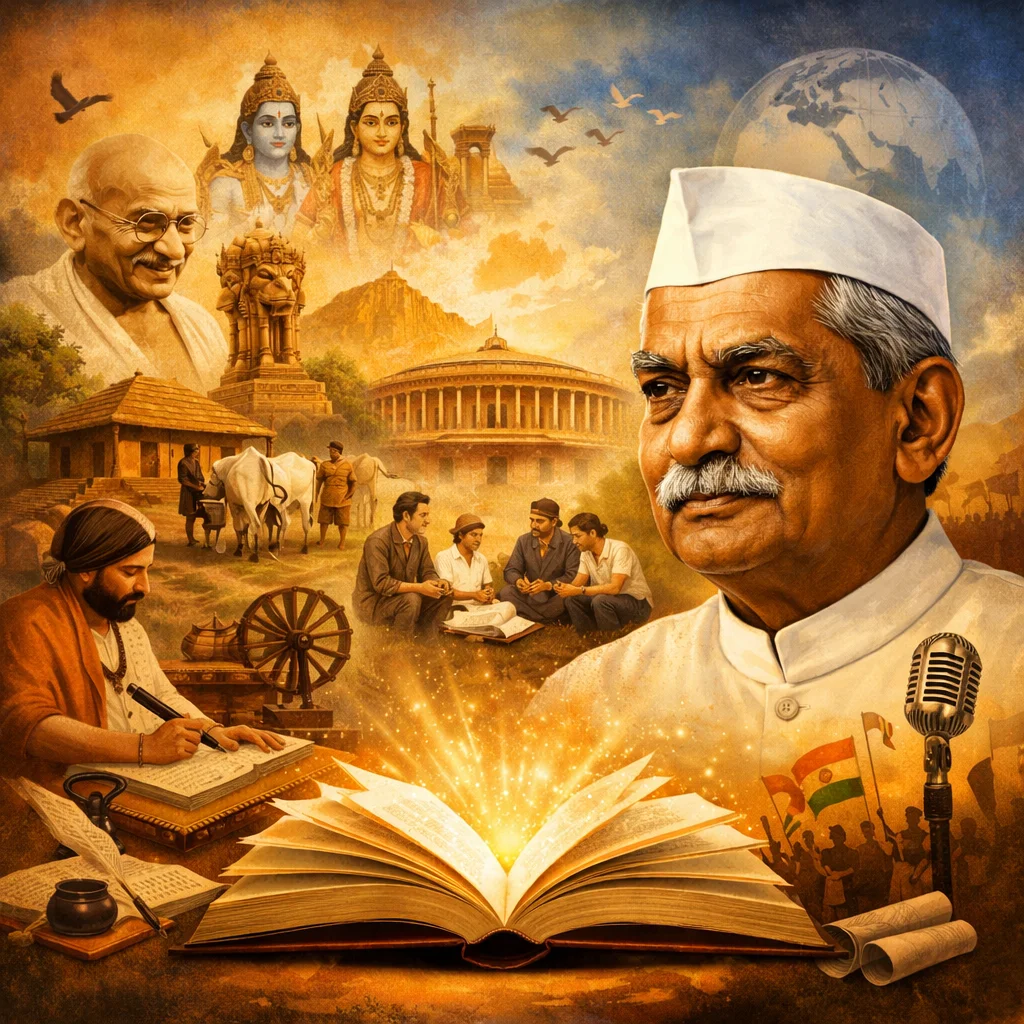
डॉ. राजेन्द्र प्रसाद का साहित्य-विमर्श: लोकमंगल की परंपरा.
डॉ. श्रीभगवान सिंह 1. ‘‘भारत के बाहर डॉ. प्रसाद स्वभावतः ही भारतीय गणराज्य के राष्ट्रपति के रूप में अपनी दीर्ध सेवा के लिए ही सर्वाधिक प्रसिद्ध हैं। उन्होंने इस पद को महान गौरव और वैशिष्ट्य से मंडित करने के उपरान्त 1962 में अवकाश ग्रहण किया। भारत की भांति अन्यत्र यह बात सर्वदा नहीं जानी जाती कि डॉ. प्रसाद के गुणों ने सार्वजनिक सेवा के क्षेत्र में ही नहीं, अपितु कानून, साहित्य और शिक्षा के क्षेत्रों में भी अभिव्यक्ति पाई थी। इनमें से प्रत्येक क्षेत्र में उन्होंने असाधारण उपलब्धि के कीर्तिमान स्थापित किये हैं।’’ – ‘अमेरिका के पूर्व राष्ट्रपति जॉन एफ. कैनेडी के उद्गार।’1 2. ‘‘जिन दिनों राजेन्द्र बाबू राष्ट्रपति थे, उन दिनों मैं लगभग दस वर्षों तक उप- राष्ट्रपति था। सप्ताह में कम-से-कम एक बार अवश्य मेरी भेंट होती थी। साधारणतः हम कुछ क्षणों तक राजनीति की चर्चा करने के उपरान्त धर्म, दर्शन और साहित्य की ओर मुड़ जाते थे। यह वार्तालाप हमें विशेष आनंद देता था क्योंकि वह हमें कुछ क्षण के लिए राजनीति के कोलाहल से ऊपर उठा देता था।’’ भारत के पूर्व राष्ट्रपति डॉ. सर्वपल्ली राधाकृष्णन के उद्गार। 2 यह तो सर्वविदित है कि देशरत्न डॉ. राजेन्द्र प्रसाद उच्चकोटि के विधिवेता, अग्रिम पंक्ति के स्वंतत्रता-सेनानी, राजनेता, संविधान-सभा के अध्यक्ष, भारतवर्ष के प्रथम राष्ट्रपति और इससे भी बढ़कर देश-समाज के आजीवन समर्पित सेवक रहें, किन्तु यह बहुत कम ज्ञात है कि वे सामान्य अर्थ में – यानी कविता, कहानी, उपन्यास लिखने के लिहाज से – एक साहित्यकार न होते हुए भी श्रेष्ठ साहित्य-मर्मज्ञ तथा साहित्यानुरागी भी थे। आरम्भ में ही जिन दो विश्वप्रसिद्ध शख्सियतों के मंतव्य उद्धृत किये गये हैं वे ही पर्याप्त प्रमाण हैं राजेन्द्र बाबू के साहित्यानुरागी होने के। उनके द्वारा समय-समय पर किये गये साहित्य-विमर्श की चर्चा करना ही इस आलेख का मुख्य प्रयोजन है। राजेन्द्र बाबू यद्यपि काव्यशास्त्र या साहित्यशास्त्र के आचार्य नहीं थे, फिर भी यह कहना मिथ्या न होगा कि उन्होंने जितना अध्ययन कानून, इतिहास, अर्थशास्त्र जैसे विषयों का कर रखा था, उससे कम अध्ययन उनका साहित्य का नहीं था। उल्लेखनीय है कि कलकत्ता विश्वविद्यालय में अँग्रेजी में ऑनर्स लेकर उन्होंने सर्वोच्च स्थान प्राप्त किया था, तत्पश्चात अँग्रेजी में ही उन्होंने एम.ए. की डिग्री प्राप्त की थी। इससे उनके अँग्रेजी भाषा एवं साहित्य के गहरे ज्ञान का पता चलता है। किन्तु अँग्रेजी के अतिरिक्त उन्होंने संस्कृत, हिन्दी, बंगला, उर्दू साहित्य का भी खूब अध्ययन कर रखा था। विभिन्न भाषाओं के साहित्य के अध्ययन के परिणाम स्वरूप साहित्य के संबंध में उनकी कुछ अपनी मान्यताएँ निर्मित हुई थीं। इन मान्यताओं को उन्होंने ‘साहित्यशास्त्र’ जैसी पुस्तक लिख कर नहीं प्रस्तुत किया, बल्कि अपने साहित्य संबंधी विचारों को वे हिन्दी साहित्य सम्मेलनों, विश्वविद्यालयों के दीक्षान्त समारोहों, सभा-गोष्ठियों आदि में व्यक्त करते रहे जो निबंध के रूप में ‘साहित्य, शिक्षा और संस्कृति’, ‘संस्कृत और संस्कृति’, ‘भारतीय शिक्षा’ नामक पुस्तकों में संकलित हैं। राजेन्द्र बाबू के साहित्य-विमर्श को यदि हम काव्यशास्त्रीय चिंतन परम्परा में खोजना चाहेंगे तो निराश होना पड़ेगा। कारण कि, जैसा प्रसिद्ध समालोचक डॉ. नगेन्द्र का ‘डॉ. राजेन्द्र प्रसाद के साहित्य-सिद्धान्त’ शीर्षक निबंध में कहना है, कि ‘‘नियमित रूप से समालोचक न होने के कारण राजेन्द्र बाबू ने साहित्यशास्त्र के विभिन्न अंगों-उपागों पर विस्तृत विचार नहीं किया। फिर भी साहित्य के व्यापक, तत्त्वों पर – साहित्य का धर्म, साहित्यकार का दायित्व, साहित्य की आत्मा, साहित्य के प्रेरक तत्व, साहित्य और राजनीति, समालोचक के गुण, हिन्दी का स्वरूप, अनुवाद की आवश्यकता, पारिभाषिक शब्दावली के प्रयोग आदि के संबंध में उनके विचार स्पष्ट रूप से उपलब्ध हैं। ’’3 लगभग इसी प्रकार का अभिमत वरिष्ठ समालोचक डॉ. सदानंद प्रसाद गुप्त का है – ‘‘राजेन्द्र बाबू ने साहित्य के व्यापक तत्त्वों – साहित्य का उद्देश्य, साहित्य का धर्म, साहित्यकार का दायित्व, साहित्य की आत्मा, साहित्य के प्रेरक तत्त्व, समालोचक के गुण, अनुवाद की आवश्यकता, संस्कृत भाषा की पूर्णता तथा उसके वांगमय का विस्तार और महत्त्व विषय पर अपने महत्त्वपूर्ण और युक्तियुक्त विचार व्यक्त किये हैं। साहित्य के प्रयोजन को लेकर भारतीय काव्यशास्त्रीय परम्परा में बड़ी गहराई से विचार किया गया है, विदेशी साहित्य में भी साहित्य के प्रयोजन को लेकर चर्चा हुई है। राजेन्द्र बाबू ने भी विभिन्न व्याख्यानों में साहित्य के प्रयोजन पर या कहें उद्देश्य पर अपने मंतव्य सपष्ट किये हैं।’’4 मतलब यह कि जिस तरह काव्य या साहित्य को ‘रसात्मकं वाक्यम् काव्यं’, ‘शब्दार्थो सहितौ काव्यं’, ‘रमणीयार्थ प्रतिपादकः शब्दम् काव्यं’ या फिर ‘साहित्य समाज का दर्पण है,’ या ‘साहित्य जीवन की आलोचना है’ या ‘काव्या आत्मा की संकल्पात्मक अनुमूति है जैसे एक सूत्रात्मक कथन के जरिये परिभाषित करने की साहित्यशास्त्रीय परम्परा रही है, उस तरह का एक सूत्रात्मक कथन राजेन्द्र बाबू के साहित्य-विमर्श में कदाचित न मिले, किन्तु अपने विभिन्न वक्तव्यों में उन्होंने साहित्य का धर्म, साहित्य का प्रयोजन, साहित्यकार का दायित्व आदि पर विचार व्यक्त किये हैं, उनमे से इस सारी उपर्युक्त परिभाषाओं की अनुगूंज स्पष्ट रूप से सुनाई पड़ती है। सबसे पहले यहाँ पर हम उनके द्वारा 1923 में कोकीनाडा में सम्पन्न हुए हिन्दी साहित्य सम्मेलन के विशेष अधिवेशन में सभापति के रूप में दिये गये भाषण के कुछ अंशों पर दृष्टिपात करेंगे। इस लम्बे भाषण में जो ‘साहित्य की राजनीतिक पृष्ठभूमि’ नाम से प्रकाशित है, उन्होंने साहित्य को लक्ष्य करते हुए कहा – ‘‘साहित्य मानव-जाति के उच्च-से-उच्च और सुंदर-से- सुंदर विचारों तथा भावों का वह गुच्छ है, जिसकी बाहरी सुदंरता और भीतरी सुगंध दोनों ही मन को मोह लेती हैं। कोई जाति तब तक बड़ी नहीं हो सकती जब तक कि उसके भाव और विचार उन्नत न हों। जब भाव और विचार उन्नत होंगे, तब उनका विकास उस जाति के साहित्य के रूप में ही हो सकता है, इसलिए जाति या राष्ट्र के उत्थान के साथ-साथ उस जाति या राष्ट्र के साहित्य की उन्नति और उत्थान होना स्वाभाविक है। इसी प्रकार साहित्य की अवनति उस जाति के पतन का अटल और अटूट प्रमाण है।’’5 ध्यान से देंखे तो इस कथन में साहित्य संबंधी कई विशिष्टताओं का समावेश है – ‘साहित्य मानव -जाति के उच्च-से-उच्च और सुंदर-से-सुंदर विचारों तथा भावों का वह गुच्छ है’ प्रकारान्तर से ‘शब्दार्थो सहितौ काव्यं’ का द्योतक है, तो बाहरी सुंदरता और भीतरी सुगंध’ में ‘रमणीयार्थ प्रतिपादकः’ और ‘रसात्मकं वाक्यम्’ दोनों की अभिव्यंजना है जो मन को मोह लेने में सक्षम है। किन्तु राजेन्द्र बाबू इन सबको मात्र शब्दों का

A Futuristic Budget for a Fragmented World: India’s Strategic Economic Pivot”
Arun Kumar Singh India and European Union agreed on historic Free Trade Agreement on 27thJanuary 2026. The Union Budget was presented four days later on 1st February 2026. Five days later on 6th February India and the US agreed on a framework of interim trade agreement. Though the final agreement might be finalised by mid-March the suspense over the deal which was hanging fire for last one year is over. We are living in tumultuous times when trade and technology have been weaponised and old rule-based order is falling apart. We have Donald Trump, President of US who wants to solve all global issues using tariffs. China, on the other hand has blackmailed the US, India and other countries over access to critical minerals and rare earth magnets. Apart from tackling these challenges relating to trade we also face adversaries on the western and northern sides. Though we halted hostilities with Pakistan in four days of launching Operation Sindoor this skirmish has alerted us to the external threats including the threat of collusive attack by Pakistan and China. We saw how China provided intelligence support apart from the weapons to its allies-weather friend Pakistan. Given this geopolitical and strategic scenario India is bound to divert substantial resources towards defence preparedness. We should see a 15% jump in defence allocation (Rs 7.85 lakh crores) in this budget in that context. Nearly 22% of increase is under the capital head amounting to Rs 2.19 lakh crores. Out of this Rs 1.85 lakh crores (24% over previous year’s) is allocated for capital acquisition (next generation fighter aircrafts, advanced weapons, ships, submarines, UAVs, drones etc.). Around 75% of capital acquisition has been reserved for domestic industries. DRDO budget allocation increased to Rs 29,100 crores from Rs 26, 816 RE of last year. About 25% of Defence R&D budget has been opened to industry, startups and academia. 15 DRDO-Industry- Academia Centres of Excellence have been established. The Free Trade Agreements which have either been signed or going to be finalised open up huge opportunities for our industries to diversify their markets, modernise their operations by infusion of new technologies and seek foreign collaborations to grow. India has a unique opportunity to invite foreign investors who want to de-risk from China by setting up supply chains in India and other Asian countries. Opening of huge markets for traditional goods like textiles and apparel, leather and footwear, gems and jewellery as well as marine products will generate lakhs of jobs. Mega textile parks have been proposed for manufacturing technical textiles and value-added products. The budget has visualised these opportunities. For further development of semiconductors India Semiconductor Mission 2.0 has been launched with an allocation of Rs 10,000 crore. To deepen domestic value chain and boost electronic manufacturing Electronic Components Manufacturing Scheme has increased allocation from Rs 22919 crore to Rs 40,000 crores. India Semiconductor Mission 2.0 has been launched to secure technology supply chain. To make India a hub for biological and biosimilars, a dedicated Rs 5000 crore 5-year initiative has been launched named Biopharma SHAKTI. The budget also focuses on promoting deep-tech and AI. Foreign companies who can provide cloud services using Indian data centres have been provided tax holiday till 2047. This is aimed at turning India into a global data hub. Bharat-VISTAAR (Virtually Integrated Scheme to Access Agricultural Resources) tool will be launched. This multi-lingual platform will integrate Agri stack and ICAR data to provide customised advisory to farmers. To promote women empowerment and entrepreneurial capacity among them SHE Marts (Self Help Enterprise Mart) will be set up within cluster federations. Rare Earth and critical minerals corridor will be set up running through Odisha, Andhra Pradesh, Tamil Nadu and Kerala for mining, processing and manufacturing Rare Earth Permanent Magnets. The budget has given incentives to manufacturing sophisticated construction and infrastructure equipment. Rs 10,000 crore has been allocated for manufacture of containers. As MSME sector is the largest contributor to export the budget has proposed Rs 10,000 crore SME Growth Fund aimed at transforming high-potential MSMEs into ‘champion enterprises.’ For easing liquidity to MSMEs supplying to Central PSUs the latter have been mandated to get linked with TReDS (Trade Receivable Discounting System), with credit guarantee support CGSE. Hi-tech Tool Rooms by CPSEs will be set up. To assist MSMEs to cope with compliance burden new cadre of Corporate Mitras will work in Tier II and Tier III cities. Infrastructure development has been visualised as Growth Connectors. To realise this objective 7 high speed rail corridors including Mumbai-Pune and Delhi-Varanasi have been proposed. An ambitious plan has been laid out in the budget to harness untapped potential of inland waterways and coastal shipping. Twenty new inland waterways have been proposed in the budget. The target is to raise their share in total freight from 6% to 12% by 2047. To give a push to urbanisation City Economic Regions (CERs) have been proposed to be implemented in challenge mode. Skill development in new areas has been focused in the budget. Realising the potential of ‘orange economy’ the government will support the Indian Institute of Creative Technologies, Mumbai in setting up “Animation, Visual Effects, Gaming and Comics (AVGC) content creation labs in 15000 secondary schools and 500 colleges. This will help bring out creative talent among youth and create new employment avenues. The budget has proposed establishment of five regional medical hubs in partnership with the private sector to boost India’s status as wellness and medical tourism destination with integrated facilities including AYUSH Centres, diagnostic, post-care and rehabilitation services. A proposal to train 1.5 lakh persons as caregivers to take care of senior citizens has been made as part of development of eco-system for geriatric care. Thus, we see that the Union budget signals a decisive shift from traditional consumption-driven or populist budgeting towards a long-term, reform-led and capital expenditure focused approach. The capital expenditure allocation is increased by 11% to Rs 12.2 lakh crore. Continuing its march to fiscal consolidation the has Fiscal deficit target has
विकल्पहीनता का बेजा लाभ न उठाये सरकार
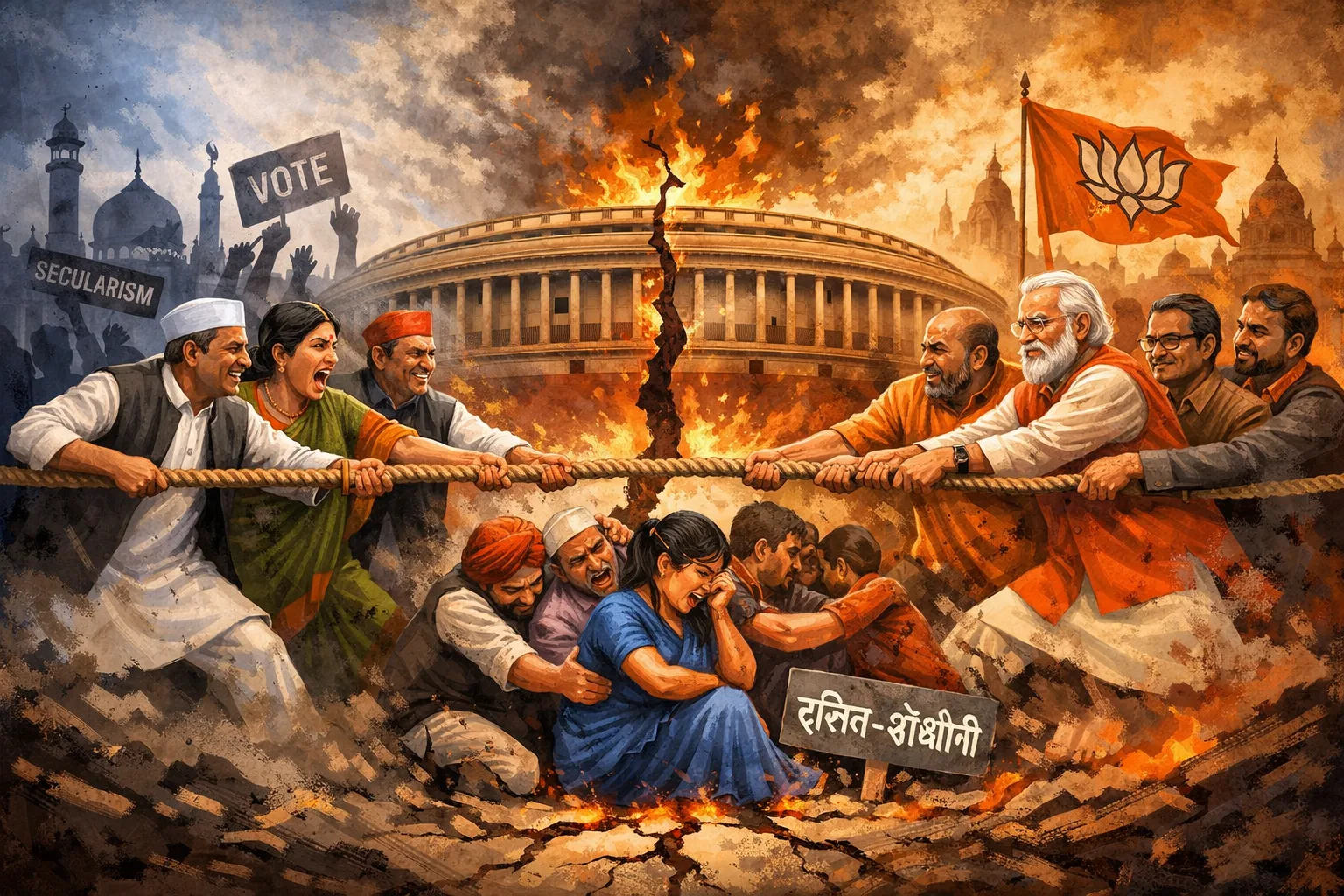
विकल्पहीनता का बेजा लाभ न उठाये सरकार अनिल विभाकर भाजपा चलने लगी अब कांग्रेसी चाल। पुरानी राह पर चल रहे विपक्षी दलों का भी नहीं है कोई अच्छा हाल। यूजीसी की नई गाइडलाइन पर सुप्रीम कोर्ट की अस्थाई रोक से कुछ समय के लिए आंदोलन तो जरूर थम गया मगर केन्द्र सरकार के सामने यह संकट अभी खत्म नहीं हुआ है। नई गाइडलाइन पर सुप्रीम कोर्ट की रोक के विरुद्ध दलितों – पिछड़ों ने सड़कों पर उतरने का खुला एलान कर दिया है। वे सर्वोच्च न्यायालय के जजों पर भी सवालों के जहर बुझे तीर छोड़ने लगे हैं । इसलिए केन्द्र सरकार के सामने यह संकट अभी कायम है जो कभी भी विस्फोटक रूप ले सकता है। भाजपा और मोदी सरकार कांग्रेस जैसी ऐसी विभाजनकारी चाल नहीं चलती तो उसके सामने “आ बैल मुझे मार” की यह स्थिति उत्पन्न ही नहीं होती। उसने तो बैठे – बिठाये यह संकट खुद मोल ले लिया। इस वर्ष पांच राज्यों में विधान सभा के चुनाव होने वाले हैं फिर भी कांग्रेस सहित लगभग सभी विपक्षी दल आत्ममंथन करते नहीं नजर आ रहे। दरअसल विपक्ष का रवैया जनहितकारी नहीं बल्कि विभाजनकारी हो गया लगता है। जनभावना और जनादेश का उनके लिए जैसे कोई महत्त्व ही नहीं रह गया । ऐसा लगता है कि जैसे देश में अस्थिरता उत्पन्न करना विपक्षी दलों का मुख्य ध्येय हो। विपक्षी दल चीख-चीख कर “वोट चोर गद्दी छोड़” का नारा यदि अब भी लगाते रहे और बिहार विधानसभा चुनाव में अपनी हार की असली वजह से मुंह चुराते रहे तो भविष्य में उनका अस्तित्व खतरे में पड़ना तय है। देश के जिन पांच राज्यों में चुनाव होने वाले हैं, वे हैं पश्चिम बंगाल, असम , पंजाब, तमिलनाडु और केरल । इनमें असम छोड़ शेष चार राज्यों में भाजपा के धुर विरोधी दलों की सरकारें हैं। केरल में कम्युनिस्ट पार्टी, पश्चिम बंगाल में तृणमूल कांग्रेस , तमिलनाडु में डीएमके और पंजाब में अरविंद केजरीवाल की आम आदमी पार्टी की सरकार है । भाजपा को यह पूर्ण विश्वास है कि असम में वह आसानी से अपनी सरकार फिर बना लेगी। जहां तक पंजाब की बात है , वहां भाजपा की न तो वैसी सांगठनिक क्षमता है और न प्रभाव जिससे वह सरकार बना सके। बाकी बचे तीन राज्य जिनमें पश्चिम बंगाल विधानसभा का चुनाव जीतना भाजपा की शीर्ष प्राथमिकता है। इसके लिए वह पिछले तीन बार से ममता बनर्जी यानी तृणमूल कांग्रेस को शिकस्त देने की कोशिश कर रही है। इस कोशिश में अब तक उसे विफलता ही हाथ लगी । इसका उसे सिर्फ यह फायदा हुआ कि वह पश्चिम बंगाल में मुख्य विपक्षी दल बन गई और कांग्रेस और माकपा का सूपड़ा साफ हो गया। इस बार विधानसभा चुनाव में वह हर हाल में तृणमूल कांग्रेस को सत्ता से बेदखल करना चाहती है। पिछले वर्ष नवम्बर में बिहार विधानसभा के चुनाव में एनडीए की प्रचंड जीत पर प्रधानमंत्री नरेन्द्र मोदी ने कहा भी कि गंगा बिहार से बंगाल जाती है । स्पष्ट है कि भाजपा अबकी बार पश्चिम बंगाल में विधानसभा चुनाव में तृणमूल कांग्रेस को हराने के लिए पूरी ताकत झोंकेगी। पिछले ग्यारह साल से केन्द्र की सत्ता पर काबिज भाजपा नीत एनडीए सरकार की यह सबसे बड़ी कमी है कि अब वह अपने कोर वोटर की घोर उपेक्षा करने लगी । रह- रह कर वह ऐसी- ऐसी गलतियां कर रही है जिससे प्रतीत होता है कि उसने अब कांग्रेस के विघटनकारी मार्ग पर चलना शुरू कर दिया है । उसके समर्थकों का भाजपा से इसलिए मोहभंग होने लगा है। यूजीसी का नया दिशा निर्देश केन्द्र सरकार की वैसी ही विघटनकारी नीतियों में से एक है जिससे उपजे जनाक्रोश शांत करने के लिए सुप्रीम कोर्ट को आगे आना पड़ा। सुप्रीम कोर्ट ने यूजीसी के नये दिशा निर्देश पर रोक लगा दी और कहा “इसकी भाषा अस्पष्ट है। इसके खतरनाक परिणाम होंगे। समाज में इससे विभाजन होगा और गंभीर प्रभाव होंगे। “सुप्रीम कोर्ट ने कहा लगता है “हम प्रतिगामी समाज बनते जा रहे हैं” । ताज्जुब तो यह है कि यूजीसी की नई गाइडलाइन के विरुद्ध जब बवाल मचा तो केन्द्र सरकार और शिक्षा मंत्री धर्मेन्द्र प्रधान इसके बचाव में उतर आये । उन्होंने यूजीसी की गाइडलाइन को सही ठहराते हुए यहां तक कहा कि इसे लेकर कर लोगों में भ्रम फैलाया जा रहा है जो उचित नहीं। सुप्रीम कोर्ट ने केन्द्र सरकार और धर्मेन्द्र प्रधान के भ्रम का यह भूत एक झटके में उतार दिया। वास्तव में यूजीसी की यह गाइडलाइन 1871 में अंग्रेजों के बनाये गये उस क्रिमिनल ट्राइब्स ऐक्ट जैसी है जिसमें आदिवासी समेत हिन्दुओं की लगभग दो सौ जातियों को जन्मजात अपराधी माना जाता था। यूजीसी की नई गाइडलाइन में भी सामान्य वर्ग यानी सवर्ण जातियों को एससी – एसटी और ओबीसी पर अत्याचार करने का जन्मजात अपराधी ही माना गया है। इसमें यह मान लिया गया कि दलित – ओबीसी पर केवल सवर्ण ही अत्याचार करते हैं जबकि आंकड़े यह बताते हैं कि दलितों – आदिवासियों पर अत्याचार की सर्वाधिक 81 फीसद घटनाओं में ओबीसी के लोग शामिल हैं , सवर्ण नहीं। यूजीसी का इस समय कोई अध्यक्ष नहीं है। यह सीधे केन्द्र सरकार के नियंत्रण में है। इसलिए यूजीसी की यह गाइडलाइन सरकार ने अनजाने में नहीं बल्कि बहुत सोच विचार कर जारी की है। इससे केन्द्र सरकार और भाजपा को चुनाव में कितना नुकसान होगा यह सहज ही समझा जा सकता है। भाजपा और केन्द्र सरकार का यह कदम समाज और देश के लिए अत्यंत विघटनकारी है । उसके के लिए यह आत्मघाती तो है ही, इससे उसकी नीयत पर भी सवालिया निशान लग गया। इसके कारण हिन्दुओं की एकजुटता के लिए प्रधानमंत्री मोदी के “एक रहेंगे , सेफ रहेंगे” के नारे में पलीता लग गया। “सबका साथ, सबका विकास, सबका विश्वास और सबका प्रयास” का नारा भी संदिग्ध हो गया। राजनीतिक परिदृश्य पर गौर करें तो ऐसा लगता है कि भारत में इस समय राजनीतिक विकल्पहीनता का दौर चल रहा है । भाजपा को इसी का लाभ मिल रहा है। जनता के पास भाजपा को वोट देने के सिवा कोई विकल्प नहीं। आखिर भाजपा और केन्द्र सरकार ने ऐसा आत्मघाती निर्णय क्यों लिया ? ऐसे आत्मघाती कदम तो हमेशा कांग्रेस उठाती

मानवीय संवेदनाओं का बहु आयामी चित्रण है सिनेमा
मानवीय संवेदनाओं का बहु आयामी चित्रण है सिनेमा राजेश कुमार सिन्हा सिनेमा एक ऐसा लोकप्रिय दृश्य श्रव्य माध्यम है जिसमें हम किसी न किसी कहानी के रूप में अपने संघर्ष ,प्रेम, करुणा, भय, विद्रोह और आशा से रूबरू होते रहते हैं। मनुष्य अपने भीतर जितने आयामों के साथ, अपने सपनों के साथ, स्मृतियों के साथ, कटु सच्चाइयों के साथ, और उन भावनात्मक तूफ़ानों के साथ जीता है,जिनके बारे में वह स्वयं भी कई बार अनभिज्ञ होता है,उन सबका विराट और प्रभावशाली रूपांतरण सिनेमा करता है। साहित्य, संगीत, चित्रकला, रंगमंच और मनोविज्ञान इन सभी कलाओं का सम्मिलित समन्वय जब परदे पर दर्शक के सामने उपस्थित होता है, तब उसे केवल मनोरंजन नहीं कहा जा सकता बल्कि उसे मनुष्य के हृदय की सबसे सघन और जटिल परतों को उजागर करने वाली एक बहु आयामी कृति कहना ज्यादा उपयुक्त होगा। सिनेमा के जन्म की कथा ही मनुष्य की उस जिज्ञासा से शुरू होती है जिसके कारण उसने हर गतिमान वस्तु के भीतर छिपे जीवन को पहचानने की कोशिश की। जब लुमियर बंधुओं का पहला चलचित्र दिखाया गया, तब दर्शकों का अचानक उछल पड़ना केवल तकनीकी चमत्कार का परिणाम नहीं था, बल्कि इसलिए था कि पहली बार मनुष्य को अपनी ही दुनिया को चलायमान, सजीव और अपनी तरह मनोवेगों से भरी हुई तस्वीरों में देखने का अवसर मिला। यहीं से सिनेमा केवल एक खोज नहीं रहा; वह मनुष्य की हर भावाभिव्यक्ति का स्वाभाविक आश्रय बन गया ।बेशक, चाहे वह चार्ली चैपलिन की करुणा में छिपी हँसी हो, चाहे इतालवी नव यथार्थवाद सिनेमा की गरीब, संघर्ष रत और बेचैन गलियाँ, चाहे भारतीय सिनेमा के सामाजिक विमर्श सभी ने हमेशा मानव जीवन के संपूर्ण स्पेक्ट्रम को आत्मसात किया है। समय के साथ सिनेमा ने इस बहु आयामी मानवीय संवेदनशीलता को केवल विस्तार नहीं दिया बल्कि उसे सूक्ष्मतम स्तरों पर स्थापित भी किया। सत्यजित रे की “पाथेर पांचाली” हो या बिमल रॉय की “दो बीघा जमीन” इन फिल्मों ने गरीबी, विस्थापन और मनुष्य की असहायता को इस प्रकार रूपायित किया कि दर्शक स्वयं इन पात्रों के दुख सुख का हिस्सा बन गए। इसी तरह अंतरराष्ट्रीय सिनेमा में “द बाइसाइकिल थीव्स” या “लाईफ इज ब्यूटीफुल” जैसी फिल्मों ने मानव सभ्यता के दर्द, युद्ध की त्रासदी और उम्मीद की रोशनी को इतने संवेदनशील ढंग से चित्रित किया कि सिनेमा ग्लोबल मानवीय अनुभवों का अनिवार्य दस्तावेज बन गया। दरअसल मानवीय संवेदना का यह चित्रण सतही नहीं होता बल्कि यह उन सूक्ष्म अन्तरों को पकड़ता है जो मनुष्य को मनुष्य बनाते हैं। प्रेम की स्थिति को ही देखा जाए तो यह केवल रोमांस नहीं; यह आकर्षण, असुरक्षा, एकांत, स्वीकृति, खोना और पुनः पाने की लालसा का जटिल मिश्रण भी तो है। अगर हम “बिफोर सन राइज” जैसी पश्चिमी फिल्मों के अनुभव या भारतीय संदर्भ में “लम्हे” जैसी फिल्मों पर नजर डालें तो ऐसा लगता है कि ये दोनों ही फिल्में प्रेम के उन मनोवैज्ञानिक पहलुओं को स्पर्श करती हैं, जिन्हें कहने के लिए सामान्य अनुभव में शब्द भी नहीं मिलते हैं। इसमें कोई दो राय नहीं कि सिनेमा इन अस्पष्ट भावनाओं को आकार देता है, उन्हें रंगों, संवादों , खामोशी ,नजरों की टकराहट और भावनाओं के उतार चढ़ाव में तब्दील करता है।यदि दुख की बात करें तो सिनेमा ने मानवीय पीड़ा के इतने रूप प्रस्तुत किए हैं कि वे स्वयं एक सांस्कृतिक अध्ययन का आधार बन सकते हैं। स्टीवन स्पीलवर्ग के निर्देशन में बनी “सिंडलर्स लिस्ट” जैसी फिल्मों में दुख महज़ दृश्य नहीं है; वह मानव इतिहास की नैतिक असफलताओं का साक्ष्य बन जाता है। भारतीय संदर्भ में इसी तथ्य अर्थात जीवन मृत्यु के दार्शनिक अर्थ को फिल्म “आनंद” में इस तरह उजागर किया गया है कि है कि मृत्यु की स्वीकृति भी जीवन का उत्सव बन जाती है। यह वही सिनेमा है जो भावनाओं के सतह पर नहीं रुकता; वह उनकी जड़ों तक जाता है।सिनेमा का यह बहु आयामी भाव परिदृश्य सामाजिक अनुभवों के माध्यम से और अधिक व्यापक हो जाता है। वर्ग संघर्ष, जातिगत असमानता, लैंगिक पीड़ा, महिला स्वतंत्रता, प्रवासन, राजनीतिक उत्पीड़न आदि सभी स्थितियों का चित्रण करते हुए सिनेमा सामाजिक संवेदनाओं को भी रूप प्रदान करता है। श्याम बेनेगल की फिल्म “अंकुर” मृणाल सेन की “मृगया” या मीरा नायर की “सलाम बॉम्बे” केवल कहानी नहीं बल्कि समाज के छिपे दुखों, उम्मीदों और विद्रूपताओं को मानवीय दृष्टि से सामने लाती हैं। सिनेमा की यह संवेदनात्मक दृष्टि कलात्मक उपकरणों से भी गढ़ी जाती है। कैमरे की भाषा, प्रकाश का चयन, रंगों के शेड, संगीत के स्वरों की तीव्रता या उनका मद्धिम होना और सबसे अहम बात मौन की गूंज जो कई बार शब्दों से अधिक मुखर हो जाता है। किसी पात्र की आँखों में उतरता अकेलापन, किसी कमरे में फैली उदासी की धुंध, किसी शहर के शोर में छिपा अवसाद जैसी बारीकियों को भी सिनेमा पकड़ लेता है और दर्शक को उन भावनाओं से परिचित कराता है जिनसे वह शायद अपने जीवन में भी दो चार होता है पर उन्हें व्यक्त नहीं कर पाता।यहाँ एक और महत्वपूर्ण बात यह होती है कि सिनेमा अपनी संवेदनाओं के चित्रण में समय और इतिहास को भी समाहित करता है। जिस तरह “रंग दे बसंती” में युवा पीढ़ी का आक्रोश इतिहास से संवाद करता है, या “स्वदेश” में प्रवासी भारतीय का द्वंद्व आधुनिक भारत की वास्तविकताओं से जुड़ता है, उसी तरह फिल्में समाज के मनोविज्ञान में परिवर्तन का दस्तावेज बन जाती हैं। यह परिवर्तन भावनात्मक भी होता है क्योंकि स्वतंत्रता के आदर्शवाद से लेकर आज के भौतिकवादी संघर्षों तक, सिनेमा हमारी भावनाओं की दिशा और तीव्रता को दर्ज करता चलता है।मानवीय संवेदना का सबसे बड़ा परीक्षण उन स्थितियों में होता है जहाँ मनुष्य अपने आप से लड़ रहा होता है और आधुनिक सिनेमा ने इन संघर्षों जैसे डिप्रेशन, अकेलापन, अस्तित्व संकट, पहचान की उलझन आदि को बेहद गहराई से प्रस्तुत किया है। फिल्म “टैक्सी ड्राइवर” या जोकर जैसे उदाहरण आधुनिक व्यक्ति के विखंडित मानसिक संसार को उजागर करते हैं। भारतीय संदर्भ में “तमाशा” या “मसान” जैसी फिल्में मनुष्य के भीतर छिपे अभाव, असमानता के घाव और आत्मचेतना के द्वंद्व को सामने लाती हैं।सिनेमा का यह बहु स्तरीय भाव चित्रण उसे संस्कृतियों के बीच सेतु का काम भी देता है। जापानी फिल्म “एकर्यू” हो या ईरानी फिल्म “ए सेपरेशन” ये सभी फिल्में विभिन्न सांस्कृतिक