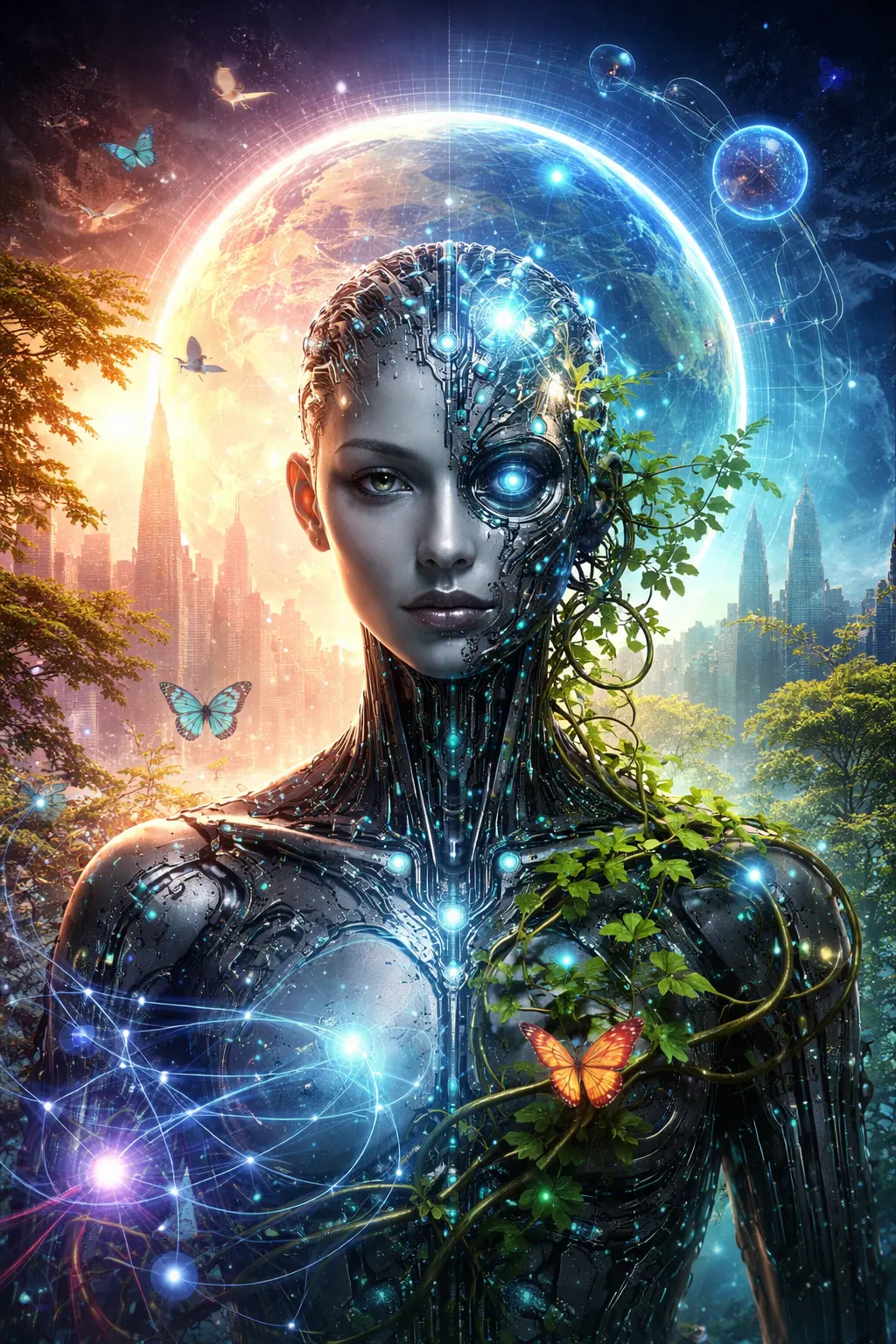
Posthumanism: Rethinking the Human in Philosophy, Technology, and Literature Anil K Prasad, Ph.D Introduction The concept of the posthuman has emerged as one of the most significant intellectual developments in late twentieth- and early twenty-first-century thought. It challenges the centrality of the human as an autonomous, rational being—an assumption rooted in Renaissance and Enlightenment humanism. Instead, posthumanism redefines human identity in terms of networks, hybridity, and interdependence with technology, animals, and the environment. In the age of artificial intelligence, biotechnology, and climate change, posthumanism provides a critical framework for rethinking what it means to be human. 1. Philosophical Foundations of the Posthuman Posthumanism builds on poststructuralist and postmodernist critiques of stable identity and universal reason. Donna Haraway’s “A Cyborg Manifesto” (1985) uses the metaphor of the cyborg to illustrate hybrid beings that transcend dualisms—human/machine, male/female, nature/culture. Haraway argues that embracing hybridity disrupts humanist boundaries. Cary Wolfe in What is Posthumanism? (2010) calls for a move beyond anthropocentrism and critiques human exceptionalism, emphasizing that humans are embedded within ecological and technological systems. Rosi Braidotti, in The Posthuman (2013), sees the posthuman condition as a necessary response to globalization, ecological crises, and technological transformation. Thus, the posthuman is not only about futuristic technology but also a philosophical critique of how the category “human” has historically been defined. 2. Technological Dimensions: From Human to Posthuman In transhumanist thought, the posthuman is often imagined as an evolved being enhanced by technology: Cybernetics and AI: The possibility of “mind uploading,” human-machine integration, and autonomous AI raises questions about identity and consciousness. Biotechnology: Genetic engineering and cloning blur the line between human and artificial life. Cyborgs: Artificial limbs, neural implants, and wearable tech create hybrid bodies, complicating the distinction between human and machine. Ray Kurzweil’s idea of the “Singularity”—a future point where humans and AI merge—represents a technological utopia of posthumanism. However, critical theorists warn against seeing technology as salvation and instead urge reflection on its ethical and cultural consequences. 3. Cultural and Literary Explorations of the Posthuman Literature has long served as a laboratory for imagining posthuman futures: Mary Shelley’s Frankenstein (1818) can be seen as a proto-posthuman text, where human ambition to create life leads to a hybrid being outside conventional categories. Margaret Atwood’s Oryx and Crake (2003) present genetically modified humans and bio-engineered species, questioning the ethics of scientific experimentation. Octavia Butler’s Xenogenesis trilogy (1987–89) imagines alien-human hybrids, raising questions about identity, survival, and inter-species dependence. William Gibson’s cyberpunk novel Neuromancer (1984) explores virtualconsciousness and the fusion of human and machine. In the South Asian context, writers are beginning to explore posthuman themes: Amitav Ghosh’s The Calcutta Chromosome (1995) blends genetics, disease, and technology with mysticism, foreshadowing debates on biotechnology and identity. Vandana Singh’s science fiction stories (The Woman Who Thought She Was a planet, 2008) use speculative narratives to interrogate science, technology, and ecology from an Indian perspective. 4. Ethical and Ecological Dimensions Posthumanism is not only about technology but also about rethinking human responsibility: Climate change and ecological crisis show that human survival is deeply connected with non-human species and planetary systems. Animal rights and environmental ethics are strengthened by posthumanist thought, as it emphasizes interdependence rather than domination. In this sense, the posthuman opens space for more inclusive, relational ethics—moving from “man as the measure of all things” to a shared planetary existence. 5. Significance for Research and Education For research scholars, posthumanism provides: A critical framework to analyse how literature, film, and digital culture imagine changing human identity. A way to connect philosophy, science, and literature, bridging disciplinary boundaries. Insight into how global South perspectives (South Asia, Africa, Latin America) can enrich posthuman debates, often dominated by Euro-American contexts. The inclusion of posthuman themes in university curricula—through literary texts, critical theory, and cultural studies—would encourage students to engage with pressing issues of technology, ecology, and ethics. Conclusion The posthuman is not the “end” of the human but a call to rethink what it means to be human in a rapidly changing world. It resists anthropocentrism, challenges humanist binaries, and urges a relational understanding of life. In philosophy, technology, and literature alike, the posthuman reminds us that humanity is not isolated but interwoven with machines, animals, environments, and other forms of life. As Rosi Braidotti observes, “Posthumanism is both a critique of the universal humanist subject and a reconfiguration of human subjectivity in relation to the non- human.” For scholars and students alike, this is an invitation to imagine futures beyond the boundaries of human exceptionalism. Anil Kumar Prasad, a creative thinker and former professor of English, is now actively working as a human rights and social activist.

The Lost Joy of Learning: Why Curiosity Must Return to Classrooms
“The Lost Joy of Learning: Why Curiosity Must Return to Classrooms” Archana Jha “It is a miracle that curiosity survives formal education.” – Albert Einstein I begin my thesis with a proposition I think is fairly pertinent. The purpose of education is to enlarge the scope of human imagination, to push the limits of thought, to ignite the power to inspire and be inspired, and to dream of bringing about a positive change in the ambient environment, for human society, the individual and ecology. The thread of human life weaves intricately through the maze of plant and animal life. This tapestry is inviolable; its destruction will deracinate us from the roots. The first principle we need to enshrine in the domain of education is respect and care for all life – human, plant and animal. That does bring me to the idea of ethics in education which has been served rather short shrift. Having spent time teaching in the domain of both school and higher education, experience has afforded me time to introspect about and observe the world of learning up close. And I see it warts and all. Students are taught from early on to focus on marks-oriented attainment. Have we paused to consider the damage we unleash when systems are driven by mere academic achievement in examinations? Degrees are mere pieces of paper unless we ignite the soul and mind of the learner. Today economics, politics, and competition determine career choice rather than personal desire or ethics. It is obvious there’s many a slip betwixt the cup and the lip. However, change can be ignited and thinking minds can be kindled to light the way ahead. And what lies ahead is way more vital than the past, howsoever perfect it may appear. Lest I appear a pessimist let me posit the way forward. Let us try to re-discover how reading can transform our brains, thoughts, and culture. When we sit down to read a book, flip through a magazine, or read a text message on phone, do we ever stop to consider what an amazing thing the ability to read really is? Somehow, those squiggly little lines on the page – or the screen – magically come alive to form words and sentences. How on earth did our brains learn to do this? The story of human history, evolution, and neuroscience all tell the amazing story of how humans first learned to read, how reading restructures our brain, and why some brains struggle to read. They make the case that reading is a crucial part of our development as individuals and as a species, and that everyone deserves the right support to develop this skill. My argument is that our educational establishments have swerved away from this magnificent capability of ours and shifted the focus on trivialities. The triviality of mere job- oriented study shifts the aim of pursuing education to transform life to the more mundane nitty gritty of earning well. Thus, we shift from living well to earning well, from wholeness and healing to brokenness and illness. Bittu Sehgal of Sanctuary fame once wrote an article titled, “The Earth has a Fever”, wherein he posited that to heal the human soul, the earth needs healing. It brings me back full circle to the power of stories, of story-telling, of literature and the liberal arts to ignite imagination, which Einstein held to be more potent and sacred than knowledge. For example, when kids struggle with English spelling do we feel the need to interpolate with a story about how and why Mark Twain loathed English spelling? When students study the theory of relativity is there perhaps compassion to be taught by discussing what Einstein’s brain tells us about dyslexia and can Socrates’ life be an interpretation of the foreshadowing of today’s distrust of technology? Questioning points towards a healthy debate and dialogue about the world around us. It can be interwoven into the fabric of wholesome dissent in daily learning. Dynamism is a salubrious way to embrace the flux of diurnal cycles. Today when the entire world is on the cusp of tremendous change while debating the power of AI and tech to transform life, we should reflect on the way we actually began reading and writing, and how our brains rearranged themselves to take on the challenge of reading. Neuroscientists tell us that our brains are made up of billions of connected nerve cells, or neurons. These neurons have the amazing ability to restructure themselves and form new connections, depending on how we use them. Scientists call this phenomenon “neural plasticity.” When we first learned to read, new neural pathways formed in the brains that allowed them to detect and decode intricate visual symbols at rapid speed. If you remember what it was like to learn to read as a child, you will appreciate how powerful this transformation can be. From not knowing what to make of those strange markings on the page, your reading skills soon become so automatic that you just cannot not read the words in front of you. Neuroscientists have shown that, when humans look at alphabets we know, our brain’s activity nearly triples. Not only does it engage more of the visual areas, but it also fires up parts of the brain specialized in language processing, hearing, and abstract concepts. May education systems power more dreamers to propel human imagination to create a world of true excellence – a cleaner, greener, slower paced, sensitive world of true liberty. If the alphabetic system allowed humans to record the spoken word and unspoken thought in all its complexity, is it impossible to unravel AI in all its complexity to use it as a tool to shape breakthroughs in human endeavor? If reading and writing allowed us to form fully novel thoughts, never before articulated, can the possibility of AI to solve human tangles at scale be unleashed? Historical sagas hold up a fascinating story too. These sagas throw up endless examples of
हम संवेदनहीन क्यों बनते जा रहे हैं
सृष्टि में, जीवन में एक शाश्वत विरह है। हम सभी एक ही तत्व से उद्भूत हो अलग-अलग अस्तित्व बने मानो पुनः एक होने की आकुलप्रतीक्षा में है, जैसे ग्रह-नक्षत्र, आकाशगंगाएं पृथक होकर भी एक-दूसरे के चक्कर काट रहे हैं, परिक्रमा कर रहे हैं क्योंकि उनका मूल एक ही है। आधुनिक मनुष्य इस विरह को, इस मूल वेदना को नहीं समझ पा रहा है। उसने सुख और भोग की लालसा और लब्धि के लिए अपने लिए ऐसी व्यवस्थाएं निर्मित कर ली हैं जिनमें उसने वेदना और दु:ख के कृत्रिम स्रोत और साधन विकसित कर लिए हैं। वह अपने ही विनिर्मित दुःखों से घिरा है और उनसे छुटकारा पाने की कोशिश में और अकेला पड़ता जा रहा है। उसे अपना ही दु:ख सबसे बड़ा लगता है। वह अपने विस्तारित अस्तित्व के विषय में न सोच पा रहा है, न देख पा रहा है। अपने से बाहर आकर वह आक्रामक बन रहा है, और इसके उल्टे अपने में सिमट कर आत्महंता। संवेदनहीनता वहां है जहां से दूसरे को देखने, जानने, समझने की जिज्ञासा ही न हो, और उससे जुड़ने की कोई अनिवार्यता या दबाव अपने अंदर अनुभव ही न हो। हम एक हिंसक और नृशंस समय में जी रहे हैं तो इसका मूल कारण यही है कि हमारे सामने जो पूरी विश्व व्यवस्था है वह संवेदनशील मनुष्यों का समाज नहीं चाहती। कहने को यह मानव सभ्यता के उत्कर्ष का दौर है। विज्ञान और प्रौद्योगिकी के क्षेत्र में अकल्पनी उपलब्धियां अर्जित की गई हैं। एक ही साथ विकास और विनाश के अपरिमित साधन विकसित किए गए हैं। किसी भी व्यक्ति, समाज या देश की भौतिक उपलब्धियां ही उसकी उन्नति का संकेतक बन गई हैं। पूंजी, चाहे वह जिस साधन से भी अर्जित की गई हो, हमारे जीवन का लक्ष्य बन गई है। पूंजी भी असीमित क्योंकि उपभोग की लालसा की भी कोई सीमा नहीं है। भोगवादी पूंजीवादी व्यवस्था ने मनुष्य मात्र के लिए अच्छा, सार्थक जीवन जीने का पैमाना बदल दिया है। हमारे शास्त्रों में परोपकार की जो महिमा बताई गई है उसमें आदमी के लिए देने और देते जाने का कर्तव्य और धर्म निर्धारित किया गया है, और इसे ही मनुष्य जीवन की उपलब्धि माना गया है। वास्तव में कहीं ना कहीं प्राकृतिक उपादान, जैसे वृक्ष, नदियां आदि हमारे जीवन मूल्यों के नियामक रहे हैं। शायद इसीलिए प्रकृति के प्रति एक साधारण व्यक्ति का भाव विनयशील ही रहा है। आज जैसी हिंसा धरती के प्रति हो रही है उसकी कल्पना सौ-डेढ़ सौ साल पहले कठिन थी, कम से कम भारतीय समाज में। संवेदनहीनता और हिंस्र भाव ने समूची धरती को ही अपने घेरे में ले लिया है। यही कारण है कि आज धरती पर जीवन के अस्तित्व को ही खतरा उत्पन्न हो गया है। कठिनाई यह है कि खतरे से निपटने के लिए जो उपाय किए जा रहे हैं वह फौरी और ऊपरी हैं। इसलिए उनकी सफलता संदिग्ध है। प्रश्न यह है कि वह जीवन दृष्टि कैसे बदली जाए जो हमें आज इस मुकाम पर ले आई है जहां हर एक व्यक्ति दूसरे व्यक्ति का प्रतियोगी है, सहयोगी नहीं। जहां मानवीय मूल्यों के ऊपर धन और तकनीक का प्रभुत्व इस सीमा तक बन गया है कि जैसे मनुष्य एक आर्थिक, यांत्रिक प्राणी मात्र बनकर रह गया हो। तकनीक द्वारा मानवीय उद्यम का विस्थापन हो रहा है। मानवीय श्रम की महिमा घट गई है। वह यंत्रों के मुकाबले दोयम दर्जे की चीज बनता जा रहा है। यह एक और प्रकार की दशा है अमानवीयकरण की। दूसरी ओर अनियंत्रित जनसंख्या वृद्धि अपने साथ अमानवीयकरण की स्थितियां ले आती है। त्रासदियों की आवृत्ति, उनका बार-बार घटना, बड़े पैमाने पर घटित होना त्रासदी के प्रति संवेदनहीन बना देता है। जैसे, पहले आबादी कम थी, रेलगाड़ियां कम थीं, रेल दुर्घटनाएं कभी-कभी घटती थीं और लोगों की स्मृति में रह जाती थीं। आज की स्थिति है – बढ़ी हुई आबादी, भारी संख्या में रेलें और आए दिन रेल दुर्घटनाएं। इसे लोग अब रोजमर्रा की बात मानने लग गए हैं और प्रायः चर्चा भी कम ही करते हैं। इस प्रकार मनुष्य के सामाजिक और सांस्कृतिक जीवन के आधार सिमटते जा रहे हैं। अहिंसा, करुणा, दया जैसे मानवीय गुणों को आज का मनुष्य अपने ही अस्तित्व के लिए चुनौती मानने लगा है, मानो इनका पालन करने से उसका अस्तित्व ही संकट में पड़ जाएगा। ऐसे में नैतिकता आज के जीवन में एक बोझ है जिसे ढोते हुए आप जीवन की दौड़ में पिछड़ जाएंगे। साहित्य, कला, धर्म-अध्यात्म – इन सबके मूल में संवेदना है। यहां तक कि मानव मुक्ति के लिए जो भी विचार आए या जो स्वप्न आज तक देखे गए, उनके मूल में भी संवेदना, परदु:खकातरता ही रही, यानी संवेदनशील मन ही रहा। आखिर अपने आदर्शों की खातिर लोग अपना उत्सर्ग कर देते हैं, बलिदान हो जाते हैं – यह संवेदना की ही पराकाष्ठा तो है। उन्नीसवीं और बीसवीं सदी में राजनीति विश्व स्तर पर अनेक बदलावों का माध्यम बनी और इनमें से ज्यादातर का लक्ष्य एक बेहतर और कहीं अधिक मानवीय दुनिया का निर्माण करना रहा। लेकिन इसी काल में राजनीति विभिन्न रूपों या संस्करणों के सर्वसत्तावाद का भी माध्यम बनी जिसके कारण भयानक संहार हुआ। दो-दो विश्व युद्ध दुनिया पर लादे गए, परमाणु बम का प्रयोग हुआ। इस स्तर की हिंसा के बाद भी दुनिया में, मनुष्य समाज में संवेदना बची रह गई तो इसका कारण यही है कि वास्तव में संवेदना और समानुभूति हमारे अस्तित्व की ही अपरिहार्यता है। जब हम दूसरों के कष्टभोग के प्रति संवेदित होंगे, उनके सहायक होंगे तभी अपने कष्टों में उनके साथ और सहयोग की अपेक्षा हम कर सकते हैं। पिछली सदी इस अर्थ में भी युगांतरकारी रही कि इस दौर में राजनीतिक क्रियाओं और अभियानों ने सामाजिक-आर्थिक नीतियों, यहां तक की विधानों को निर्बलों, बहिष्कृतों के पक्ष में सफलतापूर्वक बदला। भारत में स्वतंत्रता आंदोलन ने केवल अंग्रेजी राज से मुक्ति नहीं दिलाई बल्कि साधारण भारतीय जन को वंचितों, महिलाओं, पददलितों और अस्पृश्यों के प्रति संवेदित किया, उन्हें राष्ट्र की मुख्य धारा से जोड़ा। आज यह समूह हमारी हमारे संसदीय लोकतंत्र में बहुत ताकतवर है। ये सरकारें बना सकते हैं और गिरा सकते हैं। राजनीतिक दलों ने अपने हक में इन्हें वोट बैंक के रूप में इस्तेमाल करना शुरू कर
महिला सशक्तीकरण और सरकारी योजनाएँ
“जब तक भारतवर्ष की महिलाएँ पुरुषों के साथ कंधे से कंधा मिलाकर धार्मिक, राजनीतिक एवं सांसारिक मामलों में बराबरी से अपनी भूमिका का निर्वाह नहीं करती हैं, तब तक भारतवर्ष के भाग्य का उदय नहीं हो सकता है।” – महात्मा गाँधी महिलाओं में हर स्तर पर आत्मविश्वास पैदा करके उसे सशक्त बनाने की प्रक्रिया का नाम ही है, महिला सशक्तीकरण। हालाँकि सनातन परम्परा में महिलाएँ हर तरह से सशक्त थीं। वैदिक काल से ही स्त्रियों को समाज में सम्मान जनक स्थान प्राप्त था। पर धीरे-धीरे महिलाओं का क्षेत्र संकुचित होता चला गया। यहाँ तक कि उन्हें, उनकी शिक्षा से भी वंचित कर दिया गया। इसका परिणाम यह हुआ कि एक-एककर उनसे उनके सारे अधिकार उनकी शिक्षा के अभाव में तिरोहित होते चले गयें या फिर उनके अधिकार काफ़ी कम कर दिए गयें। नारी के बारे में कहा जाता है कि जिसका कोई अरि नहीं है, वही नारी है। कालान्तर में उसी नारी को अशिक्षा, नैतिकता के बदलते मानदंडों एवं एकांगी आदर्श के बोझ तले ऐसा दबाया गया कि वह खुलकर न जी सकती थी, न मर सकती थी। दूसरे शब्दों में कहें तो वह द्वितीय श्रेणी की नागरिक बन कर रह गयी थी। पर महिलाओं की यह स्थिति भी चिर स्थाई नहीं रही। समय के साथ इस सोच में भी परिवर्तन आया। इसके लिए समय-समय पर स्वयं महिलाओं द्वारा संघर्ष भी किया गया, और साथ ही कुछ प्रबुद्ध पुरुषों का भी महिलाओं को साथ मिला। कुछ लोगों को इस बात का एहसास था कि किसी भी देश या समाज के लिए महिलाओं का उतना ही महत्त्व है, जितना पुरुषों का। महिलाओं को अलग करके किसी देश या समाज की तरक्की हो ही नहीं सकती। प्राचीन काल से लेकर अर्वाचीन काल तक महिलाओं ने अपने परिश्रम एवं कौशल के बल पर समाज की प्रगति में अपनी अहम् भूमिका निभाई है। पर पितृसत्तात्मक दृष्टिकोण के प्रति जागरूक समाज महिलाओं के तरफ ठीक से देख ही नहीं पाता था, अपनी आँखें बंद कर लेता था। इसका परिणाम यह हुआ कि हमारे समाज द्वारा महिलाओं का सही मूल्यांकन हो नहीं पाया, और उसकी दक्षता को हमेशा कमतर करके ही आँका गया। इसलिए ऐसे लोगों के विचारों को परिवर्तित करने के लिए भी भारतीय समाज में महिला सशक्तिकरण आवश्यक हो गया, ताकि महिलाएँ शिक्षा, स्वास्थ्य, आर्थिक और सामाजिक क्षेत्रों में पुरुषों के बराबर अवसर प्राप्त कर सकें। अपने जीवन का निर्णय वह स्वयं ले सकें। समाज में व्याप्त लैंगिक भेदभाव को खत्म किया जा सके तथा अपने समाज और राष्ट्र के विकास में पूरी क्षमता से महिलाएँ अपना योगदान दे सकें। जिससे एक न्यायपूर्ण और समृद्ध समाज का निर्माण हो सके। भारत के संदर्भ में यह और भी महत्त्वपूर्ण हो जाता है, क्योंकि 2047 तक भारतवर्ष को विकसित राष्ट्र की श्रेणी में शामिल कराने की देशवासियों की आकांक्षा है, और महिलाएँ किसी भी देश की आधी आबादी होती हैं। ऐसे में अपनी आधी आबादी को पीछे छोड़ कर कोई भी देश विकसित राष्ट्र बनने की कल्पना भी नहीं कर सकता। महिला सशक्तीकरण सभी स्तर पर महिलाओं में आत्मविश्वास पैदा करके उसे सशक्त बनाने की एक प्रक्रिया है। महिला सशक्तीकरण बुनियादी तौर पर मानवाधिकार ही है, जो एक शांत और समृद्ध विश्व के निर्माण के लिए आवश्यक है। एक सशक्त महिला परिवार, समाज और देश के विकास के लिए महत्त्वपूर्ण भूमिका निभाती है । महिला सशक्तीकरण का अर्थ केवल भौतिक या आध्यात्मिक रूप से ही नहीं, अपितु शारीरिक, मानसिक, आर्थिक एवं सामाजिक रूप से भी महिलाओं को सक्षम बनाना है, ताकि वे अपने जीवन से जुड़े सभी निर्णय स्वयं ले सकें। महिलाएँ भी समाज में पुरुषों के समान ही अधिकार और अवसर प्रदान कर सकें; जिसमें शिक्षा, रोज़गार, स्वास्थ्य और राजनीतिक भागीदारी भी शामिल है। यह प्रक्रिया महिलाओं को आत्मनिर्भर बनाती है, और लैंगिक भेदभाव को चुनौती भी देती है, ताकि महिलाएँ समाज के विकास में पूरी तरह से योगदान कर सकें। महिला सशक्तीकरण महिलाओं को ज्ञान, कौशल और संसाधनों से परिपूर्ण करती है, जिससे वे सोच-समझकर कर कोई निर्णय ले सकें और राजनीतिक, आर्थिक और सामाजिक क्षेत्रों में अपनी भागीदारी दे सकें। हमारी सरकारें महिलाओं को सामाजिक, आर्थिक और लैंगिक बाधाओं को पार करने और उनमें आत्मनिर्भरता विकसित करने में उनकी मदद के लिए तथा समाज में पुरुषों के समान स्थान पाने के लिए महिलाओं के लिए तरह-तरह की योजनाएँ चला रही हैं, ताकि जिससे एक ओर लिंग अनुपात में सुधार लाया जा सके, तो दूसरी ओर महिलाओं को समाज में वांछित सम्मान मिल सके। ये योजनाएँ निम्नलिखित हैं- शिक्षा एवं स्वास्थ्य संबंधी योजनाएँ- 1- बालिकाओं के लिंग अनुपात में सुधार और शिक्षा में सुधार के लिए बेटी बचाओ, बेटी पढ़ाओ (BBBP)नाम की योजना सरकार द्वारा शुरू की गयी है।2- बालिकाओं के भविष्य के लिए एक बचत योजना सुकन्या समृद्धि योजना ( SSY) के नाम से चलाई गई है।3- गर्भवती महिलाएँ एवं स्तनपान कराने वाली माताओं को वित्तीय सहायता प्रदान करने के लिए प्रधानमंत्री मातृ वंदना योजना (PMMVY) के नाम से शुरू की गई।4- महिलाओं और बच्चों के स्वास्थ्य एवं पोषण सेवाओं को मजबूत करने के लिए स्वस्थ नारी, सशक्त परिवार अभियान चलाया जा रहा है। आर्थिक सशक्तीकरण सम्बन्धी योजनाएँ- 1- सुरक्षा और सशक्तीकरण के माध्यम से महिलाओं को सहायता प्रदान करने के लिए मिशन शक्ति योजना चलाई जा रही है।2- महिला उद्यमियों को बिना कोलैटरल के कम ब्याज पर लोन उपलब्ध कराने के लिए -प्रधानमंत्री मुद्रा योजना चलाई जा रही है।3- महिलाओं को प्रशिक्षण, ॠण विकास और परामर्श के माध्यम से सशक्त बनाने के लिए TRED योजना चलाई जा रही है।4- महिलाओं के व्यवसाय बढ़ाने के लिए व्यक्तिगत ऋण हेतु स्त्री शक्ति नामक एक योजना चलाई जा रही है।5- रोजगार के लिए वित्तीय सहायता के लिए मुख्यमंत्री महिला रोजगार योजना चलाई जा रही है। सामाजिक सुरक्षा और कल्याण के लिए 1- महिलाओं के संबल के लिए मिशन शक्ति के अन्तर्गत वन स्टाॅप सेंटर, महिला हेल्पलाइन और नारी अदालत जैसी सेवाएँ चलाई जा रही हैं।2- कामकाजी महिलाओं के लिए सुरक्षित छात्रावास वर्किंग वुमेन हॉस्टल (WWH)चलाया जा रहा है।3- विधवाओं की आर्थिक मदद के लिए विधवा पेंशन योजना के अन्तर्गत आर्थिक मदद दी जा रही है। इसके अतिरिक्त महिलाओं की सुविधा एवं मदद के लिए अन्य महत्त्वपूर्ण योजनाएँ- 1- रसोई गैस कनेक्शन उपलब्ध कराना।2- नारी शक्ति
तिनके से नहीं छिपता पहाड़
विपक्षी दल चीख-चीख कर वोट चोर गद्दी छोड़ का नारा यदि अब भी लगाते रहे और बिहार विधानसभा चुनाव में अपनी हार की असली वजह से मुंह चुराते रहे तो भविष्य में उनका अस्तित्व खतरे में पड़ना तय है। दर असल बीते वर्ष नवम्बर में हुए बिहार विधानसभा के चुनाव में अपनी जबरदस्त हार पर विपक्ष आत्मचिंतन नहीं करना चाहता। वह तो पहाड़ जैसी अपनी गलतियों और गुनाहों को तिनके के पीछे छिपाना चाहता है। तिनके के पीछे पहाड़ कभी छिप नहीं सकता। इसके बावजूद विपक्षी दल आत्ममंथन करने की जगह अब भी तिनके के पीछे पहाड़ छिपाने का विफल प्रयास कर रहे हैं। विपक्षी दलों का कहना है कि केन्द्र और बिहार में सत्ता पर काबिज राजग सरकार ने चुनाव में बड़े पैमाने पर वोट चोरी की। विपक्षी दलों का कहना है कि चुनाव में ईवीएम के माध्यम से गड़बड़ी की गई और चुनाव आयोग ने मतदाता सूची गहन पुनरीक्षण (एस आई आर) कराकर लाखों की संख्या में मतदाताओं के नाम वोटर लिस्ट से काट दिए । विपक्ष का मानना है कि बिहार की महिलाओं को चुनाव की घोषणा से ठीक पहले सरकार की ओर दस- दस हजार रुपए की रिश्वत दी गई जिसके कारण विधानसभा चुनाव में महागठबंधन को पराजय का मुंह देखना पड़ा। मतलब यह कि यहां के विपक्षी दल चुनाव में हुई हार का न तो विश्लेषण करना चाहते और न ही आत्ममंथन। विपक्षी दलों का यदि यही रवैया रहा तो भविष्य में होने वाले चुनावों में भी उनका सूपड़ा साफ होना ही होना है। 243 सीटों वाली बिहार विधानसभा के हालिया चुनाव में भाजपा को 89, जदयू को 85 और राजद को सिर्फ 25 सीटें मिलीं। कांग्रेस को केवल छह , असद्दुदीन ओवैसी की पार्टी ए आई एम आई एम को पांच , जीतन राम मांझी की पार्टी हम को पांच , लोक जनशक्ति पार्टी (रामविलास) को 19 और अन्य को 09 सीटें मिली थीं। इस चुनाव में राजद और कांग्रेस को जबरदस्त झटका लगा। राजद 75 सीट से घटकर 25 पर सिमट गई। उसे पिछले चुनाव में इतनी सीटें नीतीश कुमार के साथ चुनाव लड़ने के कारण मिली थीं। उस समय नीतीश भाजपा से अलग और राजद के साथ थे।इस बार कांग्रेस को भी सीटों का भारी नुकसान हुआ । उसे 2020 के विधानसभा चुनाव में 19 सीटों पर विजय मिली थी मगर इस बार के चुनाव में उसे 13 सीटों का जबरदस्त नुकसान हुआ। जहां तक वोट चोरी और ईवीएम में गड़बड़ी का मामला है , विपक्षी दलों की इस शिकायत में कोई दम नहीं। न तो ईवीएम में कोई गड़बड़ी है और न चुनाव आयोग किसी तरह का पक्षपात करता है। लोकसभा के लिए 2024 में करायें गये चुनाव की निष्पक्षता पर जनता की राय जानने के लिए कर्नाटक में कांग्रेस की सरकार ने कुछ महीने पहले सर्वे कराया था। कर्नाटक सरकार ने अभी – अभी उसकी रिपोर्ट जारी की है। रिपोर्ट के अनुसार सर्वे में 91 प्रतिशत लोगों ने 2024 के लोकसभा चुनाव को स्वतंत्र और निष्पक्ष बताया। इतना ही नहीं मतदाताओं ने ईवीएम पर भी पूरा भरोसा जताया। यह सर्वेक्षण कर्नाटक के योजना और सांख्यिकी विभाग ने किया था। सर्वक्षण की यह रिपोर्ट पिछले साल अगस्त में सरकार को सौंपी गई जिसे कर्नाटक निगरानी एवं मूल्यांकन प्राधिकरण ने इस वर्ष पहली जनवरी को प्रकाशित की है। कांग्रेस नीत सभी विपक्षी दल पिछले डेढ़ साल से चुनाव में वोट चोरी का मुद्दा उठा रहे हैं और ईवीएम पर सवाल खड़े कर बैलेट पेपर से चुनाव कराने की मांग कर रहे हैं। विपक्षी दल ईवीएम से चुनाव कराने का विरोध और चुनाव आयोग की निष्पक्षता पर लगातार निम्न स्तरीय हमले कर रहे हैं। जाहिर है कर्नाटक की कांग्रेस सरकार की इस सर्वेक्षण रिपोर्ट से विपक्षी दलों का वोट चोरी का मुद्दा और ईवीएम में गड़बड़ी की शिकायत निराधार साबित हो गई। अब रही बिहार में महिलाओं को चुनाव से पहले दस-दस हजार रुपए रिश्वत देने की बात। तो विपक्षी दलों की इस शिकायत में भी कोई दम नहीं नजर आता। तथ्य इसके विपरीत हैं। बिहार में लोक सभा की कुल 40 सीटें हैं। 2024 के चुनाव में राजग ने इन में से 30 सीटों पर विजय हासिल की। तब तो सरकार की यहां कोई 10 हजारी योजना नहीं थी। फिर भी चुनाव में विपक्षी दल चारों खाने चित हो गये। नवम्बर 2024 में बिहार विधान सभा की 4 सीटों पर उप चुनाव हुए थे। इनमें से तीन सीटें पहले इंडी गठबंधन यानी महागठबंधन के पास थीं। 2020 के आम चुनाव में वहां उनकी विजय हुई थी। मगर नवम्बर 2024 इन सीटों पर उप चुनाव हुए तो चारों सीटों पर राजग जीत गया । यानी, राजग ने महागठबंधन से एक दो नहीं, बल्कि तीन सीटें छीन लीं। तीन में से 2 सीटें राजद के पास और एक सीट माले के पास थी। उस समय यह माना जाता था कि राजद और माले से सीटें छीनना कठिन काम है। विपक्षी दलों को यह हार तब झेलनी पड़ी थी जब महिलाओं के लिए बिहार में दस हजार रुपए देने की कोई योजना नहीं थी। जाहिर है बिहार के लोग राज्य की नीतीश कुमार सरकार के कामों से संतुष्ट हैं तभी तो विपक्षी दलों को चुनावों में लगातार हार का मुंह देखना पड़ा रहा है। हकीकत यह है कि इस देश की तथाकथित सेक्युलर पार्टियां (विपक्ष), पिछले डेढ़ दशक में राज्य के गांव – गांव में हुए विकास कार्यों की अनदेखी कर सिर्फ वोट चोरी का ढोल पीट रही हैं। पंद्रह -बीस वर्षों में नीतीश कुमार की सरकार ने गांवों में सड़कों का जाल बिछा दिया है। गांव- गांव चौबीसों घंटे बिजली है और लोगों को नलों से पेयजल मिल रहा है। केन्द्र की नरेन्द्र मोदी सरकार ने अपने ग्यारह वर्ष के शासन में बिहार के गरीबों की जिंदगी बदल दी । केन्द्र सरकार की सहायता से अब गांवों में बेघरों के पास अपना घर और शौचालय है । उज्ज्वला योजना के तहत सबके पास रसोई गैस का कनेक्शन है। बैंकों में सबके अकाउंट हैं जिनमें सरकार की ओर से सहायता राशि सीधे पहुंच रही है। कोई बिचौलिया नहीं। पहले ये बिचौलिए गरीबों की सहायता राशि का अधिकांश हिस्सा हड़प जाते थे। और तो और
An Eco Mantra for Times Ahead
Water, water, everywhere,And all the boards did shrink;Water, water, everywhere,Nor any drop to drink. This stanza appears in Part II of the poem, The Rime of the Ancient Mariner. by Samuel Taylor Coleridge, illustrating the irony and desperation of the sailors who are stranded in the ocean without fresh water. It serves as a powerful metaphor. And I begin with this powerful quote to awaken ourselves from a collective amnesia wherein a misguided belief in earth’s plenitude is wreaking mayhem all round. Coleridge’s poem reminds us that the brutality and arrogance with which we continue to embrace modern day progress is foolhardy. We can interpret the poem as a call to spark an inner innovation, aninternal inner vision which can guide true progress. Is it not apt that this reflection on inner sight and insight appears in The Social Sight? Let me go back in time. In 2008, as I stood atop an overhead footbridge straddling the road just across AIIMS Delhi, watching the drama of the traffic scene unfurling below me, in the capital city of Delhi, tumultuous thoughts swirled in my head. Where were we headed? What if the way forward was to go back in time. It was an intuitive flash. The way forward was to go backwards – back to the future! My reverie may have been smashed to smithereens but it shone a bright light. Let us flash forward to the present scenario. Air, water, soil are no longer sacrosanct. Today Delhi, and Patna too, enjoy the dubious distinction of being cities with the highest AQI readings. It is becoming difficult to breathe the polluted air in these cities. A few days ago Indore was in the news for all the wrong reasons. Water contamination had claimed the lives of hapless chawl dwellers in one of the squeakiest of squeaky clean poster boy cities of the Clean City Campaign. Arsenic contamination of the river Ganga is a current scourge. The very soil that grows our food is contaminated, with chemicals having penetrated the food chain irreversibly. Coastal erosion is not only taking a toll on India’s shoreline, but also on communities living by the sea in Puri, Kendrapara and Ganjam. Resettlement may provide safety from the waves, but replacing livelihoods becomes an uphill task as some climate refugees in Odisha are finding out. Most refugees who were self-sufficient earlier, are daily wage earners now or migrant labourers. This is the India story that few talk about. The Incredible India narrative has hijacked the ground reality of millions who continue to live lives of quiet desperation. At the ongoing 2026 Davos forum, Gita Gopinath spoke compellingly about the India story and dropped a few stunning figures. She stated that reforms in India are slow and it offers a challenging business environment that is severely impacted by pollution. She reiterated that pollution is the prime deterrent to ease of doing business in India. She also quoted a World Bank Study published in 2022 which has documented the impact of pollution on the Indian economy. According to this study, 1.7 million lives are lost in India due to pollution, which accounts for 18% of the total deaths in the country. Addressing this challenge on a war footing is imperative. Both Japan and China have dealt decisively with pollution in their capital cities. Maybe we should take a leaf from their books and collaborate on scripting a new story, a cleaner, greener story. Lest my introspection be interpreted as a pointless diatribe, let me quote the words of a powerful writer, Rachel Carson. In her book, Silent Spring, she writes: “We stand now where two roads diverge. But unlike the roads in RobertFrost’s familiar poem, they are not equally fair. The road we have longbeen travelling is deceptively easy, a smooth superhighway on which weprogress with great speed, but at its end lies disaster. The other fork ofthe road — the one less travelled by — offers our last, our only chance toreach a destination that assures the preservation of the earth.” ― RachelCarson, Silent Spring The ground-breaking work Silent Spring, published in 1962, written by American marine biologist and conservationist Rachel Carson, alerted the public to the dangers of pesticides, sparking the modern environmental movement, leading to bans on harmful chemicals like DDT. Her book also documented the harmful effects of pesticides, especially DDT, on ecosystems and human health. The book sparked widespread public awareness, fierce industry opposition, and significant policy changes, including the formation of the U.S. Environmental Protection Agency (EPA) in 1970. Another story-teller, E.B. White who espoused deep environmental concern, viewed nature with reverence rather than as a resource to dominate. He criticized humanity’s destructive, “too ingenious” approach to nature, advocating appreciation and accommodation to ensure survival. His writing highlights a biophilic connection to the natural world, urging stewardship over exploitation. “I am pessimistic about the human race because it is too ingenious for itsown good. Our approach to nature is to beat it into submission. Wewould stand a better chance of survival if we accommodated ourselves tothis planet and viewed it appreciatively instead of sceptically anddictatorially.” – E. B. White We live in troubled times. Our institutions seem paralyzed in the face of climate change, pandemics, and social breakdown. New technologies like Artificial Intelligence are set to disrupt society further. But what if there’s hidden potential for positive change in this upheaval? History shows that transformative cultural inventions — from the first cities to scientific peer review — have repeatedly accelerated human progress during critical moments. We must renovate institutions, creating technologies that genuinely serve humanity’s needs. What if humanity’s greatest invention was not the wheel, but the campfire conversation? The stories we share with each other serve a far bigger purpose than casual socializing. Think about it: we make most decisions by drawing on stories. Whether it is choosing a restaurant, starting a new habit, or solving a problem at work, we rarely consult scientific papers. We have always transmitted hard-won knowledge across time and space through stories. When
Indian Economy grows despite Global Challenges
International Monetary Fund has recently revised upward their estimate for growth of Indian economy from 6.6% to 7.4 % during this fiscal year FY26. The World Bank had earlier given their forecast as 6.5%. Government of India’s National Statistical Office has forecast a growth rate of 7.4%, same as that of IMF. According to NSO, farm sector growth rate will be 3.1%, less than last year’s 4.6% but manufacturing sector is expected to score a commendable growth at 7%, higher than last year’s 4.5%. Crisis cief economist DK Pant stated that India’s growth momentum has sustained despite elevated global uncertainty due to tariff tensions, rising on accommodative monetary and fiscal policies, robust corporate balance sheets, and favourable developments such as above normal monsoons and low crude prices. Ruchir Sharma has pointed out several weaknesses in the economy. He says that foreign investors find it difficult to negotiate the corrupt and incompetent bureaucracy for land acquisition. Also, without the flexibility to hire and fire labour they find the cost of doing business in India prohibitively high. Though a few months back the government has notified the four labour codes that were approved by parliament in 2020 it will take a while to make an impact. Sharma mentioned that due to these factors as also the turmoil in global market due to tariff tensions caused by the President Trump of the US, foreign investment has come down sharply in recent years. As against 4% of GDP of China during their boom years and of Vietnam currently India’s FDI never exceeded 1.5% of GDP. Currently it is as low as 0.1 % of GDP, one-sixth of emerging markets average. Sharma said that India should create such conducive conditions for doing business that slows down exodus of talent from India while attracts investment to boost growth. Government has recently taken a decision to announce a package to incentivise investment in high-value manufacturing of capital goods such as heavy construction equipment and also for incentivising investment in global value chain of automobiles. A total of about Rs 23,000 crore incentive package may be announced in the coming budget. Defence industrial sector has grown at a rapid pace in the last decade, so much so that India has emerged as a major exporter of arms and ammunition. Through its policy of Strategic Partnership, it has allowed major industrial houses like Tata, L&T and a few others to collaborate with major foreign platforms and other armament manufacturers for production within the country. Tatas have tied up with Lockheed Martin to manufacture Boing aircraft for defence purpose. Efforts are being made to collaborate Raffles’ manufacture Dassault to make those aircrafts in India. Attempts are being made to strike agreements with the US defence industries to make lethal drones and other equipment in India. According to a study, India will emerge as a middle-income economy in the next 25 years, say by 2050. At that time, instead of four classes today (the elite comprising 50 million, middle class 250 million, aspiring class 500 million and the base 700 million) will collapse into three classes with the first two combining to become one rich class and a large middle class and a smaller aspiring class. That structure will be like a diamond with small base and a large middle with smaller top. In the light of tariff tantrums of Trump India has rightly decided to re calibrate its economic relationship with China. Our northern neighbour which had earlier occupied the position of second largest trade partner has now (by December 2025) become the largest partner. India’s export to China grew by 33% from April till December 2025. While imports grew at even higher rate than earlier. The position o the US went down due to high tariffs of 50%. Rahul Gandhi rightly criticised the government for not taking effective measures to protect export industries in the light of these global challenges but he should realise that these are unprecedented times when the global hegemon the US threatens not only India but even its close ally Europe with tariffs if they do not agree to his plan of acquiring Greenland which is a sovereign territory of Denmark. By: Arun Kumar Singh
From Myth to Market: Unicorns, Entrepreneurship, and the Power of Innovation
National Start-up Day offers an occasion to celebrate not just enterprises, but the ideas, imagination, and courage that give them life. It is a moment to reflect on the spirit of innovation that drivesindividuals to challenge conventions and build something new. Through this article, I attempt to view the start-up ecosystem through a slightly unusual lens—the lens of the unicorn—symbolic ofambition, rarity, and the pursuit of transformative value. In the start-up world, a unicorn is a company valued at over one billion dollars. But this term was not chosen accidentally. It comes from myth and literature, where the unicorn represents somethingrare, extraordinary, and difficult to achieve. This immediately tells us something important: Entrepreneurship is not routine work; it is a creative and courageous act. Just as unicorns were believed to exist only in stories, most great innovations were once dismissed as unrealistic—until someone daredto believe in them. In mythology, the unicorn has one horn, not two. This single horn symbolizes singular vision and focused power. In entrepreneurship, this translates into:Clarity of purpose Focus on solving one real problemCommitment to a long-term vision Successful founders are not scattered dreamers. They are deep thinkers with a sharp sense of direction. Innovation does not begin with money; it begins with clarity. Mythical unicorns could not be captured by force. They resisted cages. Similarly, truly innovative start-ups: Do not follow old rules blindlyChallenge monopolies and outdated systemsRedefine markets rather than merely entering themThis is what economists call disruptive innovation—and what literature would call a break from the old narrative.India’s start-up ecosystem today reflects this spirit—from fintech to ed-tech, from agri-tech to climate-tech. According to legend, the unicorn’s horn could heal poison and cureillness. What a powerful metaphor for entrepreneurship! The most respected start-ups today succeed because they:Address pain points in societyOffer solutions, not just servicesImprove everyday lifeWhether it is affordable education, accessible healthcare, or sustainable livelihoods—innovation is meaningful only when it heals. In folklore, the unicorn is drawn to purity and sincerity.In business terms, this means:TrustTransparencyEthical leadershipIn an age of data misuse, environmental crisis, and inequality, the future belongs not just to fast-growing start-ups, but to responsible start-ups. Let us remember:Valuation creates headlines, but values create legacy. Every unicorn—mythical or modern—begins as a story. Before there was a company, there was:A narrative of changeA vision of a better futureA belief strong enough to convince othersInvestors invest in stories they believe in. Teams rally around stories that inspire. Customers stay loyal to stories that reflect their lives.This is why literature, storytelling, and the humanities matter deeply in innovation. India’s storytelling traditions—from the Panchatantra to the Bhagavad Gita—teach us that action must be guided by purpose and responsibility. Our start-up movement must combine:Technology with wisdomGrowth with inclusionAmbition with ethicsThis is perfectly aligned with the vision of Start-up India, Atmanirbhar Bharat, and Viksit Bharat 2047. Literature also teaches us caution.In myths, the unicorn disappears if pursued with greed or violence.Similarly, start-ups collapse when: Growth ignores human costInnovation forgets societySpeed overtakes wisdomLet us learn from stories—not repeat their tragedies. Friends, not everyone needs to build a billion-dollar company. But everyone can develop a unicorn mindset: Think boldlyAct ethicallyInnovate responsiblyTell meaningful storiesServe society On this National Start-up Day, let us commit to building not just unicorn companies, but humane, inclusive, and visionary enterprises. Because in the end,The greatest unicorn is not a valuation—it is an idea that changeslives. By: Dr. Anil K. Prasad
Dr. Ganga Sharan Singh: An Eminent Scholar, Leader, and Builder of Knowledge
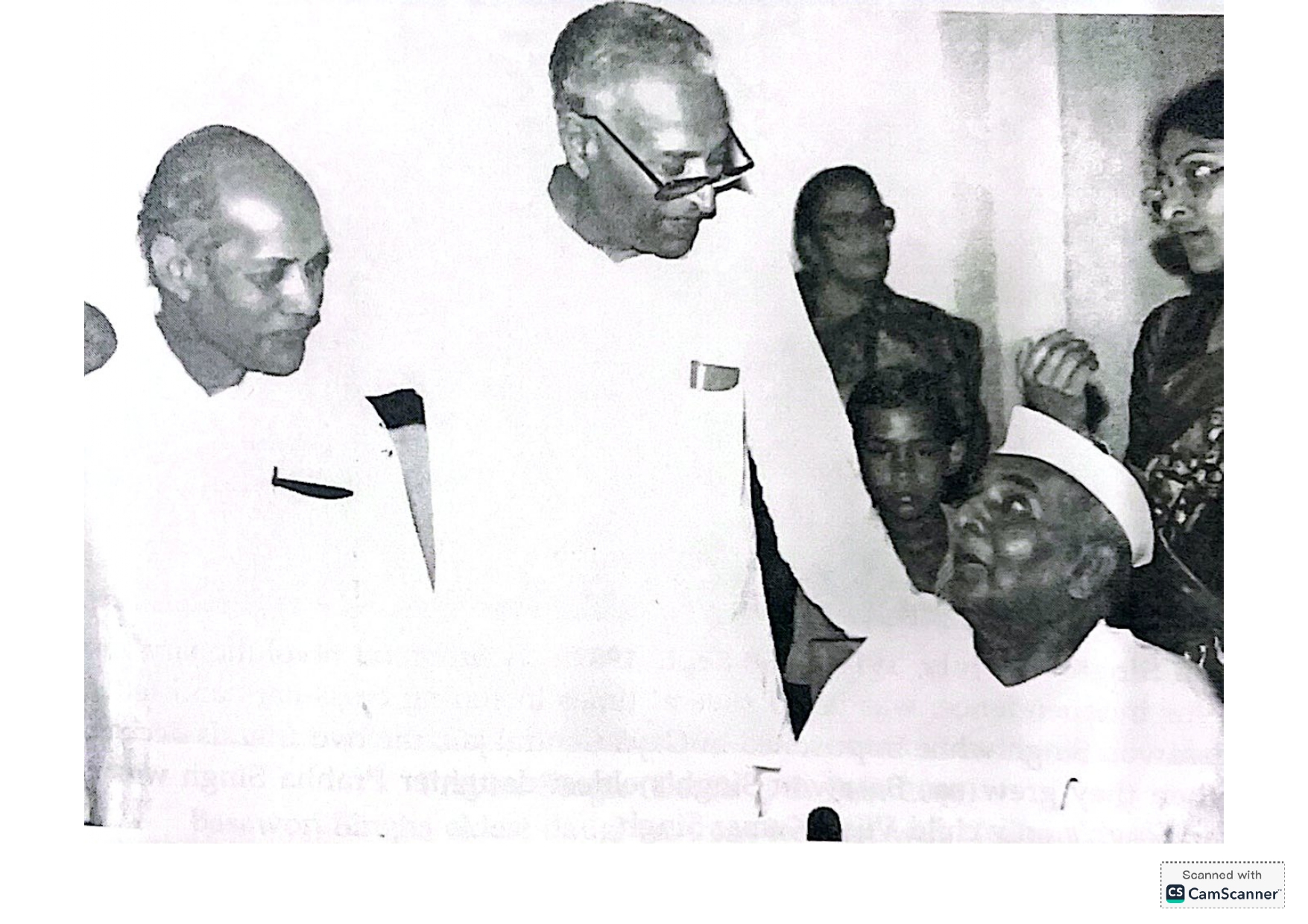
Dr. Ganga Sharan Singh – An eminent scholar, leader and contributor to knowledge building Akansha Rai ‘Asar lubhane ka pyaare tere byaan mein tha, Kisi ki aankh mein jaadu, teri zubaan mein tha.’ Born on August 14, 1905 in a small village- Kanchanpur (Bihta, Patna, Bengal Presidency), Dr. Ganga Sharan Singh (Sinha) fondly called (‘Ganga Babu’) is a notable figure in India’s literary, social and political landscape. Mastered in communication, he is known to be a treasure house of wit and humour. Those who met him often remarked his personality as an inexhaustible reservoir of simplicity and dignity. Shankar Dayal Singh, a prolific author and popular columnist has aptly written about him: “On seeing him, one is reminded of Chanakya’s words—‘In the world there are neither friends nor enemies; it is circumstances that turn people into friends or enemies.’…. It feels as if Chanakya himself had envisaged him while saying this, and he firmly believed that even two thousand years later, the world would witness such a person.” Dr. Singh hailed from a modest zamindar family. His father, Ram Prasad Singh (also known as ‘Dashrath’ and his mother Kamleshwari provided him a stable familial foundation. As the first child of his parents (being lovingly called Badka babu), with two younger brothers- Sarveshwari Sharan (Chhote Babu) and Shashi Shekhar Sharan (Lallu Babu), Ganga Babu epitomised the role of a loving, caring and dutiful elder brother. His family members loved and respected him deeply. Principally, his conception of family extended far beyond blood relations. He regarded the entire nation as his own family, mingling effortlessly with everyone from all walks of life. He was married to Chandramani, daughter of Ragho Prasad Singh, a resident of Malhad village in Gaya district. His wife was a woman of remarkable resilience, generosity, simplicity and played a significant role in developing Ganga Babu’s personality. Notably, for her husband’s advancement she donated her jewellery to support the establishment of a printing press. Ganga babu, too, never fell short in demonstrating his greatness. Despite his personal loss of losing his wife untimely, he resolved never to remarry for the sake of a son. His legacy is followed by his only daughter, Manju. Throughout his life, Ganga Babu endured persistent ill health. He suffered from asthma, tuberculosis, heart disease, prostate enlargement, liver ailments and gall bladder stones. He also had a ‘pacemaker’ installed to regulate his heart condition. However, with his strong spirit, his intellectual vitality and social engagement kept growing. His association with national leaders and movements was formative. He was very close to both- Dr. Rajendra Prasad and Jayaprakash Narayan with whom he spent a long period of his life. From 1921 to 1931, he stayed at Sadaquat Ashram with Dr. Rajendra Prasad and then from 1937 to 1954-55, he stayed with Jayaprakash Narayan. He remained emotionally affected by passing of his family members including Chotte Babu and Lallu Babu along with his great contemporaries such as Shyam Nandan Babu, Benipuri, Dinkar, Jayaprakash Narayan, Prabhavati, and many others. He didn’t view the death of his distinguished fellows just as his personal loss but as civilisational ruptures. While he bore such losses with philosophical composure, the loss of his family members, particularly of his niece Acchla, moved him deeply, revealing his tender emotional core. Ganga Babu’s primary education began in his maternal village Ghataro. He moved to his village Kanchanpur at the age of 10 and joined Middle English School, Fatuha. The headmaster of the school, Pandit Ramchandra Dwivedi, was a close friend of Ram Prasad Singh ji, who left a huge influence on Ganga Babu. From Fatuha, he shifted to Lai with Dwivedi ji where he got introduced to Bihar’s first distinguished literary figure- Ramvriksha Rai Sharma (author of Sadachaar Sopan) and was drawn towards him. His formal studies got disrupted by the Non-Coorperation Movement of 1921 when his interest in politics permanently eclipsed conventional academics. Later, in 1927 he formalised his qualification with Sahitya Ratna degree with Akhil Bhartiya Hindi Sahitya Sammelan, Prayag while remaining a lifelong learner under the mentorship of Ram Kripal Singh Guru, Pandit Ramchandra Dwivedi, Ramvriksha Rai Sharma, Pandit Yugal Kishore, Dev Nandan Singh and others. His exposure to nationalist newspapers, journals, and revolutionary literature awakened a deep patriotic consciousness within him. His interests were diverse. Physically active and culturally curious, Ganga Babu enjoyed wrestling, kabbadi, mountain travel, folk traditions and books. He travelled extensively across India- from Assam to Kashmir, from plains to the Himalayas undertaking multiple pilgrimages to Badrinath and Kedarnath. Apart from his travel diaries, his literary tastes were vast and multilingual. Among classical and modern Hindi poets he was deeply influenced by Bihari, Dwivedi, Tulsidas, Pratap Shahi, Maithilisharan Gupta, Dinkar, Nirala and Mahadevi; from Bengali writers such as Sharatchandra, Tagore, Tarashankar Banerjee and Nazrul Islam; and from Urdu poets such as Ghalib, Mir, Faiz and Nizami. In Sanskrit literature, he followed masters like Kalidasa, Bhanbhatta, Bhavbhuti and Shriharsh and among English writers were Shakespeare, Shelly and Keats. His social and literary network was immense- encompassing leading figures of Hindi literature, regional writers from Bihar, non-Hindi intellectuals, social workers and political leaders, he maintained an abundance of relationships. Ganga Babu is renowned for his extraordinary memory and has earned the title for an ‘encyclopaedia of ancient Hindi poets.’ He had memorised innumerable passages in Sanskrit, Hindi, Urdu–Persian, Bangla, and English. His writings, though largely unpublished demonstrates a sharp satirical intellect. Works such as Vichar-Pravah, Padya-Pravah, Sahitya-Vimarsh and Sahitya- Pravah exposes his literary prowess and power dynamics with wit and irony. His interest in politics consumed much of his creative time and energy- a loss lamented by Maithilisharan Gupta who believed Ganga Babu could have been a great poet if not inclined towards public life. Yet, his prose remains remarkable for its philosophical depth, linguistic clarity and cultural inclusiveness. His vision of Indian languages as diverse expressions of a shared civilisational spirit is a rare synthesis of moral courage, intellectual breadth, human compassion and cultural nationalism. Additionally, Dr. Singh’s
शिखर और घाटी
सुबह का समय था। वह पहाड़ के पैरों तले खड़ा होकर पर्वत के शिखर को अनिमेष नेत्रों से निहारे जा रहा था। बिलकुल अपनी गर्दन सीधी ऊपर किये हुए। ठीक वैसे ही जैसे घनघोर अकाल में कोई किसान आशाविहीन आँखों से आकाश की तरफ टकटकी लगाकर धधकते अम्बर से मेघ का आह्वान करता है. अचानक उसने मेरी तड़फ मुड़ते हुए पूछा, “अच्छा रोहित, मुझे यह बताओ कि पर्वत और उसके शिखर मनुष्य को इतना आकर्षित क्यों करते हैं?” इससे पहले कि मैं कुछ जवाब दे पाता उसने दुबारा प्रश्न किया। उसने पूछा, “क्या इसलिए कि मनुष्य की चेतना का स्वर उध्र्वगामी है? वह हमेशा शिखर को छूना चाहता है? वह हमेशा ऊपर उठना चाहता है? वह चोटियों से बात करना चाहता है? उसकी आत्मा किसी ऊँच सत्ता से एकाकार हो जाना चाहती है? क्या इसीलिए शिखरों के पत्थर मनुष्य के ह्रदय कोइतना प्रिय है?” वह मेरे बचपन का मित्र था। अचानक वह दार्शनिक किस्म की बातें करने लग गया था।यद्यपि, दर्शन में उसकी रूचि जरुर थी पर मेरी बिलकुल नही। मैंने झटपट उसका हाथपकड़ा और बोला, “अच्छा छोड़ो ये सब अटपटी एवं फिजूल की बातें, चलो अब घर चलते हैंनही तो धुप हो जायेगी.’ उसने मुझसे हाथ छुड़ाते हुए जाने से मना कर दिया। उसने कहा कि वह उस पर्वत के शिखर पर जाना चाहता है। उस पहाड़ के मुकुट का करीब से दीदार करना चाहता है। उस पर्वत के सबसे ऊँची चट्टान पर, उसके मस्तक पर कैलाशपति की भांति नृत्य करना चाहता है. मैंने उसे समझाने का हरसंभव प्रयास किया पर उसने मेरी एक न सुनी। जिद्द पकड़ कर बैठ गया कि उसे जाना ही है। अंततः मुझे उसके साथ शिखर पर चढ़ने के लिए सहमत होना पड़ा। शाम होते-होते हमलोग वहां पहुँच चुके थे जिसे वह ‘पर्वत के पैरों’ तले खड़ा होकर ‘पर्वत के शिखर’ की संज्ञा दे रहा था। लेकिन वहां पहुँचने के पश्चात वह हतप्रभ था और थोड़ा निराश भी। उसे चढ़ाई की ख़ुशी जरुर थी, परन्तु शिखर उसे कहीं दिखाई नही दे रहा था। वहां तो सिर्फ और सिर्फ कुछ चट्टान थे, और कहीं समतल तो कहीं उबड़-खाबड़ जमीन। जिस शिखर ने उसे निचे से देखने पर उतना आकर्षित किया था, वह शिखर, उस शिखर पर आकर विलुप्त हो चूका था। अब वहां कोई उंचाई न थी। उंचाई के नाम पर सिर्फ अनंत आकाश और करोड़ों मिल दूर धधकता सूर्य. अचानक उसकी नज़र नीचे की घाटी पर गयी। वह ख़ुशी से उछल पड़ा। उसने लगभग चिल्लाते हुए मुझसे कहा, “रोहित, वह देखो घाटी, कितना सुन्दर, कितना मनोरम दिखाई दे रहा है। वह पहाड़ के नीचे, सड़क के किनारे वाली सबसे ऊँची पेड़ कितनी छोटी दिखाई दे रही है। घाटी में सिर्फ हरियाली ही हरियाली है। कितना मार्मिक दृश्य है। है न?” मैं चुप था। परन्तु उसके ख़ुशी की कोई सीमा न थी। अब वह शिखर की सुन्दरता भूल गया था। उसके न पाने की निराशा से उबर चूका था। अब उसे पर्वत के शिखर नही, पर्वत की घाटी, उसके चरणों में बिछे हुए हजारों-लाखों हरे-भरे पेड़-पौधे आकर्षित कर रहे थे। सुबह जिसे किसी के मुकुट से प्यार था, शाम होते-होते उसे उसके चरणों से प्रेम हो गया। सुबह जो पर्वत के शिखरत्व का कायल था, शाम में उसे उसकी लघुता से इश्क हो गया। यह कैसी अनोखी घटना है, मैं मन ही मन सोच रहा था। वस्तुतः मेरे लिए यह एक विस्मय की स्थिति थी। मुझे इस दुविधा में रहा नही जा रहा था। मैंने आखिरकार अपने मित्र से पूछ ही दिया। मैंने उससे कहा, “अच्छा तुम यह बताओ कि क्या तुम्हे अब भी ऐसा लगता है कि मनुष्य की चेतना का स्वर उध्र्वगामी है? वह हमेशा शिखर को छूना चाहता है? वह हमेशा ऊपर उठना चाहता है? वह चोटियों से बात करना चाहता है? उसकी आत्मा किसी ऊँच सत्ता से एकाकार हो जाना चाहती है?” मेरे प्रश्न ने अचानक उसकी उल्लास में खलल डाल दिया था। वह चुप हो गया। बिलकुल चुप। पर्वत के उसी घाटी की तरह मौन। मैंने उससे दुबारा पूछा, परन्तु कोई जवाब नही मिला। वह सोंच में पड़ गया। किसी आकस्मिक चिंतन में विलीन हो गया। अब उसे शिखर में विलीन होने की चिंता न थी। अचानक उसके कदम बढ़ने लगे। अब वह नीचे उतरना चाहता था, पर्वत के चरणों में, मिट्टी की ओर। मैं भी उसके पीछे-पीछे भारी क़दमों से चलने की चेष्टा कर रहा था। बार-बार उसकी दुविधा मेरे मन में एक प्रश्न पैदा कर रही थी। मैं सोंच रहा था कि क्या मनुष्य की चेतना का चरित्र ही किसी सार्वभौमिक संशय से ग्रस्त है? जवाब न उसके पास था, न मेरे पास।